
As an Amazon Associate & Influencer, we earn from qualifying purchases you might make if you click any of the links or buttons on this page at no expense to you.
Have you ever wondered, “What does LPF mean on an amp?” As a car audio fan, I’ve been there. In a nutshell, LPF stands for Low Pass Filter, a crucial element in car amplifiers. In this article, we’ll demystify LPF, exploring its role in optimizing your car stereo. We’ll explore its importance and practical adjustment tips. Join me in decoding the world of low pass filters. Bass lovers and audio enthusiasts alike benefit from proper LPF settings. Mastering these settings can transform your car audio experience. Let’s dive in and navigate the intricacies of car audio together.
Understanding LPF in the Car Audio World
First things first – what does LPF even mean? LPF stands for Low Pass Filter, a fundamental component in car amplifiers. LPF primarily controls which frequencies pass through to your speakers. This gatekeeper allows only lower frequencies to reach your ears. Understanding LPF is key to tailoring your audio output to suit your preferences and the capabilities of your car audio system.
Importance of LPF Settings
Why should you care about LPF settings? Well, they play a pivotal role in preventing distortion and interference in the audio signal. Configure your LPF settings properly to ensure your speakers receive only the frequencies they can handle, resulting in a cleaner and more enjoyable listening experience. Imagine cruising down the highway with a perfectly balanced audio output – that’s the magic of a well-set LPF.
LPF and Subwoofers
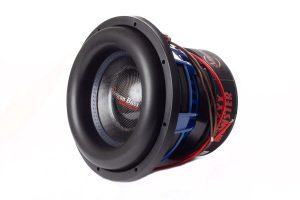
If you’re a bass enthusiast, LPF becomes even more crucial when dealing with subwoofers. The low pass filter influences the frequencies directed to your subwoofer, impacting the depth and richness of your bass. Correct LPF settings for your subwoofer can make the difference between a subtle hum and a thunderous bass drop, enhancing the overall audio balance in your car.
LPF Adjustment Techniques
Now that you understand the significance of LPF, how do you go about adjusting it? Fear not, it’s not as complicated as it may seem. In this section, we’ll explore practical techniques for adjusting LPF settings based on your preferences. We’ll also touch upon the relationship between LPF and other audio settings, such as High Pass Filters (HPF), providing you with a comprehensive guide to fine-tuning your car audio system.
Real-Life Experiences
Let’s learn from real-life experiences – both mine and those of fellow car audio enthusiasts. I’ll share some personal stories related to LPF settings, highlighting challenges faced and lessons learned. Combine with previous sentence: ‘These experiences offer practical insights for your car audio journey, covering finding the sweet spot for genres and overcoming unexpected hurdles.’ They cover finding the sweet spot for genres and overcoming unexpected hurdles.
Common LPF Misconceptions
Misconceptions often surround LPF settings. In this section, we’ll debunk common myths surrounding LPF, ensuring you have accurate information to make informed decisions. Understanding the truth about LPF will empower you to navigate the world of car audio with confidence.
Tips for Optimizing LPF on Your Car Amp
Remove comma: ‘I’ll provide a concise summary of key takeaways and offer practical tips’ Whether you’re a novice or a seasoned enthusiast, these tips will guide you towards achieving the perfect balance for your unique audio preferences.
Conclusion
In conclusion, the seemingly cryptic world of LPF on your car amp holds the key to unlocking the full potential of your car audio system. Split: ‘Understanding LPF settings is the first step. Optimizing them allows you to enjoy customized, distortion-free audio.’ So, let’s embark on this sonic adventure together, exploring the realm of low pass filters and elevating our car audio setups to new heights.