A dead car battery can be jump-started using jumper cables, another vehicle, and proper safety steps. Nothing's quite as frustrating as turning your key and hearing absolutely nothing—no engine rumble, just dead silence. A dead car battery is one of those annoying moments that catches most of us off guard, but the good news is that you don't always need to call for expensive roadside assistance. Learning how to start a dead car battery is a practical skill that'll save you time, money, and stress when you're stuck in a parking lot or driveway. In this guide, I'll walk you through everything you need to know about getting your vehicle back to life, from the basics of understanding why batteries die to the step-by-step process of safely jump-starting your car.

Contents
- Understanding Why Your Car Battery Dies
- What You'll Need to Start a Dead Car Battery
- Safety First: Essential Precautions Before Jump-Starting
- Step-by-Step Guide to Jump-Starting Your Dead Car Battery
- Common Mistakes People Make When Starting a Dead Car Battery
- Alternative Methods: When Jump Cables Aren't Available
- Preventing Dead Car Battery Issues in the Future
- When to Replace Your Battery vs. Jump-Starting
- Frequently Asked Questions
- How long does it take to jump-start a dead car battery?
- Can you jump-start a car battery multiple times?
- Is it safe to jump-start a car battery if it's cracked or leaking?
- What's the difference between a dead battery and a weak battery?
- How can you tell if your car battery is completely dead or just weak?
- Conclusion
Understanding Why Your Car Battery Dies
Your car battery is basically the heart of your vehicle's electrical system. It provides the power needed to start your engine, run your lights, and keep everything humming along. When your battery dies, it simply means it doesn't have enough charge left to do its job anymore. This happens for several reasons, and understanding them helps you prevent future dead battery situations.
The most common culprit is leaving your lights on overnight. I've done this myself more times than I'd like to admit. You park your car, head inside, and forget to turn off the headlights or interior lights, which drain the battery completely. Cold weather is another major factor, especially in winter months. Batteries naturally lose their charging power in freezing temperatures, and if your battery's already getting old, the cold can finish the job. A typical car battery lasts anywhere from three to five years, so if yours is approaching that age, it's more vulnerable to dying unexpectedly.
Sometimes your battery dies because of a faulty alternator, which is supposed to recharge your battery while the engine runs. Other times, it's parasitic drain caused by devices left plugged in or certain electrical systems that draw power even when your car's off. Extreme heat can also damage your battery's internal components, shortening its lifespan. Understanding these causes helps you protect your investment and avoid being stranded.
What You'll Need to Start a Dead Car Battery
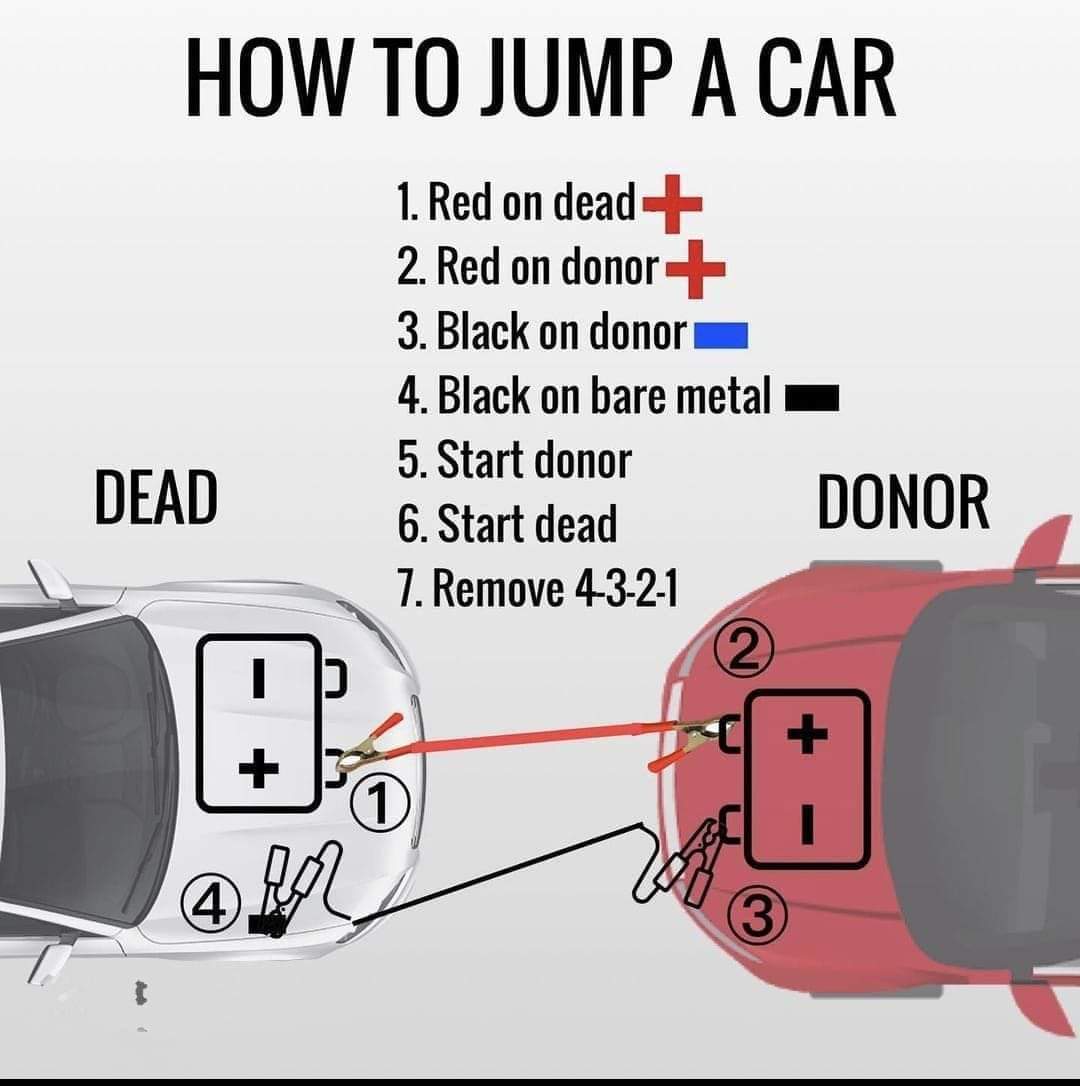
Before you jump-start a dead car battery, you'll need to gather the right tools and materials. Having these items ready makes the entire process faster and safer, and honestly, it's worth keeping some of these things in your car at all times.
Here's what you'll need:
• Jumper cables that are at least ten to twelve feet long and have properly insulated handles
• Another vehicle with a working battery, ideally similar in size and power to yours
• Safety glasses or goggles to protect your eyes from battery acid spray
• Work gloves to protect your hands from any corrosion or accidental contact
• A clean rag or old towel for wiping away battery corrosion if present
• A well-lit area where you can safely work on both vehicles
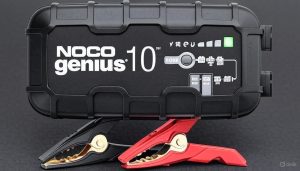
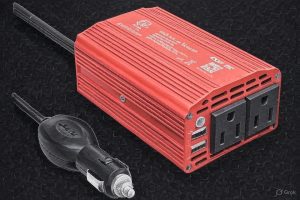
The quality of your jumper cables matters more than you might think. Cheap, thin cables don't transfer power efficiently and can actually be dangerous. Invest in a good set of heavy-duty jumper cables, and keep them in your trunk alongside a basic emergency kit. If you don't have access to another vehicle or jumper cables, you might consider a portable jump starter, which is a battery pack that can jump-start your car without needing another vehicle. These devices have become incredibly affordable and reliable in recent years.

Safety First: Essential Precautions Before Jump-Starting
Safety should be your top priority when learning how to start a dead car battery. Batteries contain corrosive acid and produce flammable hydrogen gas, so taking precautions isn't just smart—it's essential. I always remind myself of the potential dangers before I even open my hood.
Here are the critical safety steps you absolutely must follow:
• Remove any metal jewelry like rings, bracelets, or watches, as they can conduct electricity and cause serious burns
• Never smoke or create sparks near a battery, as hydrogen gas is flammable and could ignite
• Put on safety glasses and gloves before handling anything near the battery
• Make sure both vehicles are parked on level ground, away from traffic
• Turn off both engines and all electrical components before connecting the cables
• Check for any visible battery damage like cracked cases or leaking fluid, and don't touch a damaged battery
• Ensure the batteries aren't covered in excessive corrosion that could interfere with connection
• Keep your hands and clothing away from moving engine parts like belts and fans
Taking these precautions might seem like extra steps, but they truly matter. I've seen situations where someone rushed through the process and ended up with a painful shock or worse. Your safety is worth the extra minute it takes to get ready properly.
Step-by-Step Guide to Jump-Starting Your Dead Car Battery
Now let's get into the actual process of how to start a dead car battery. I'll break this down into clear, manageable steps so you can follow along confidently, whether this is your first time or your tenth.
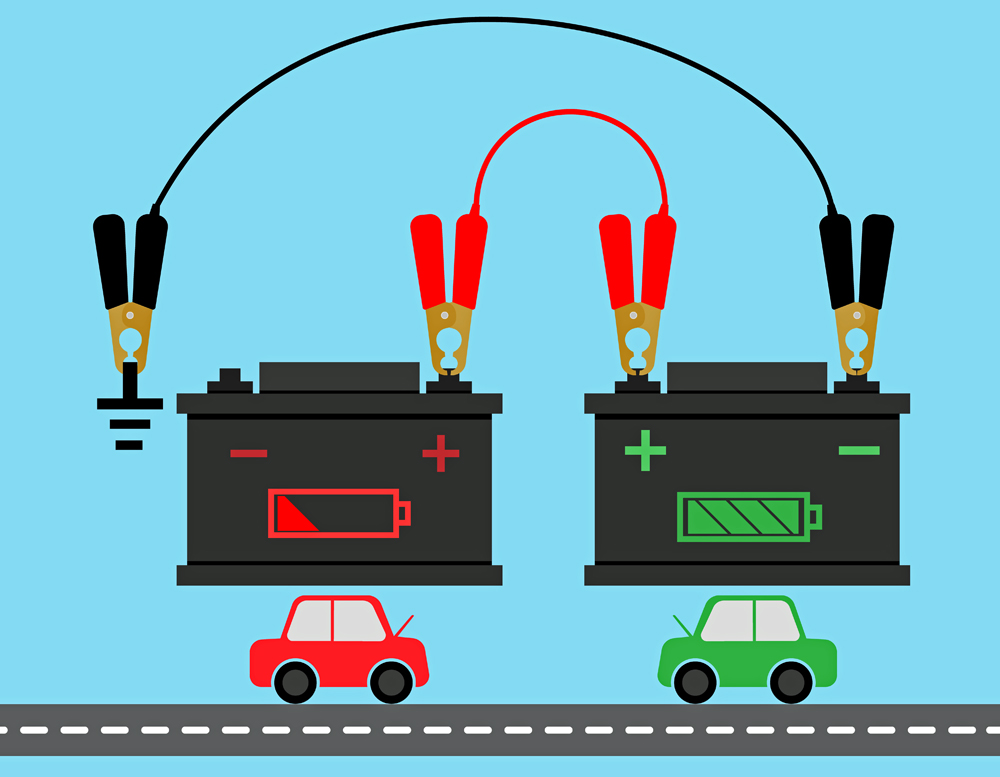
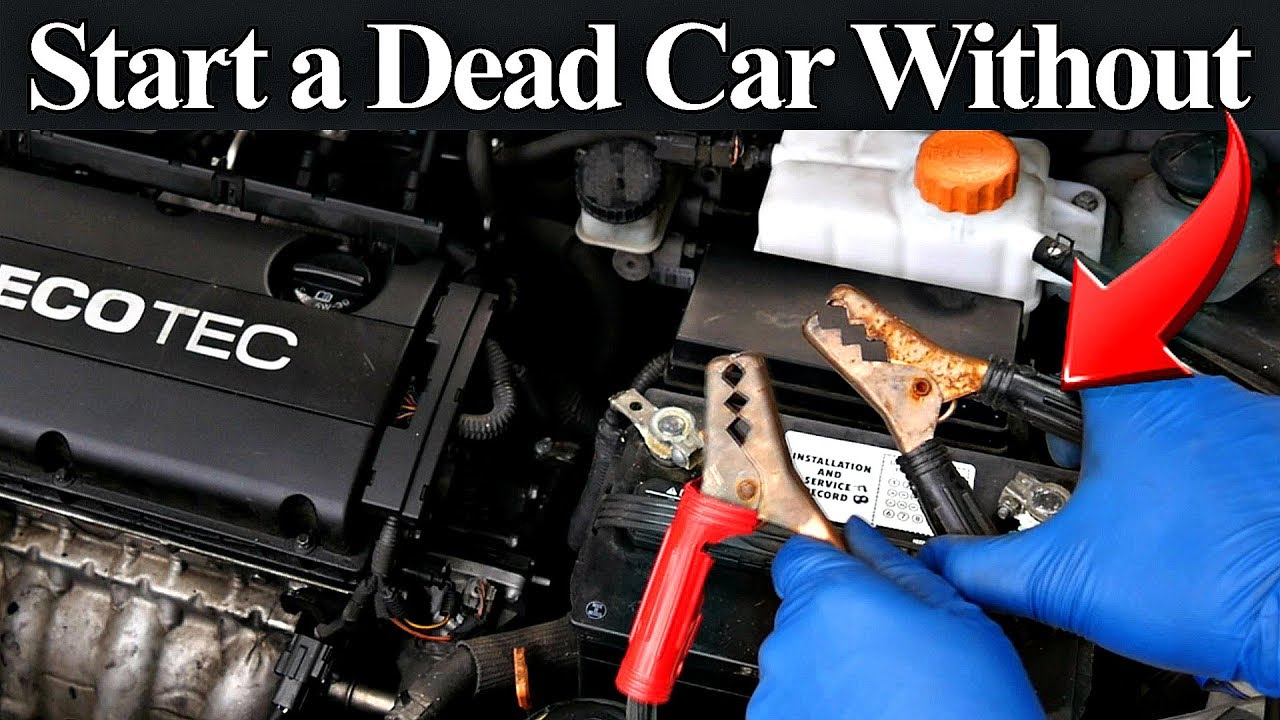
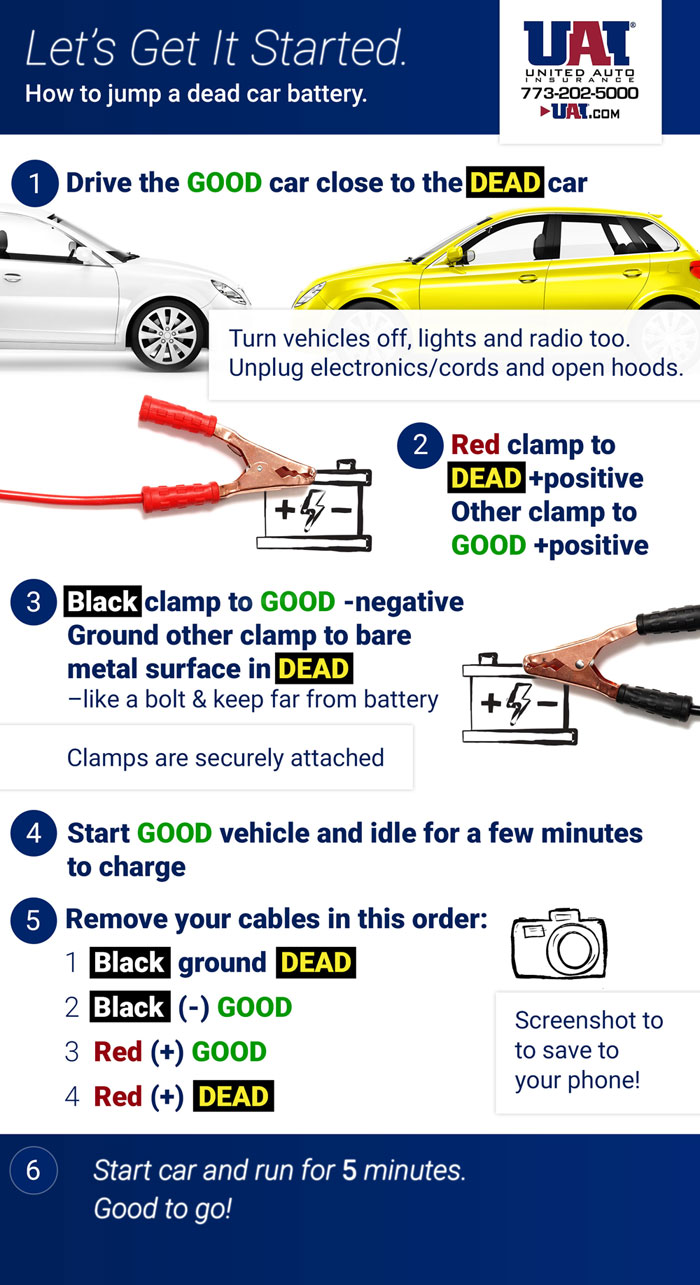
Start by positioning both vehicles close to each other but not touching. Pop open both hoods and locate the batteries. The dead battery in your car will have a negative terminal marked with a minus sign or black wire, and a positive terminal marked with a plus sign or red wire. The booster vehicle's battery will have the same setup.
Now follow these steps in order:
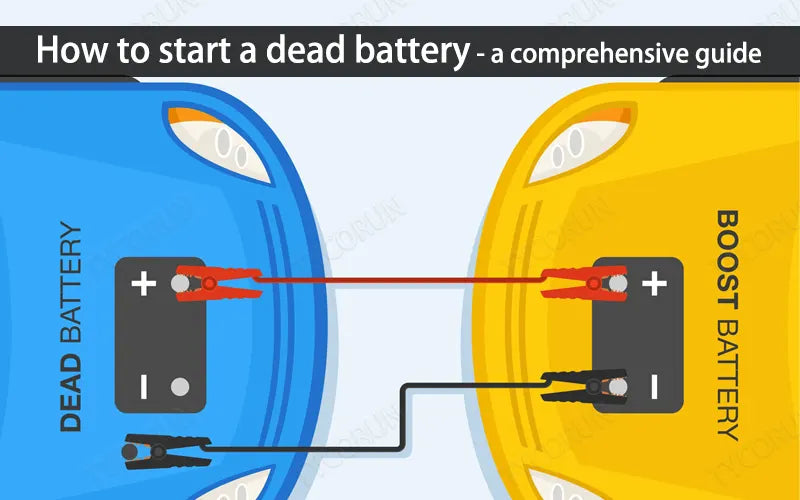
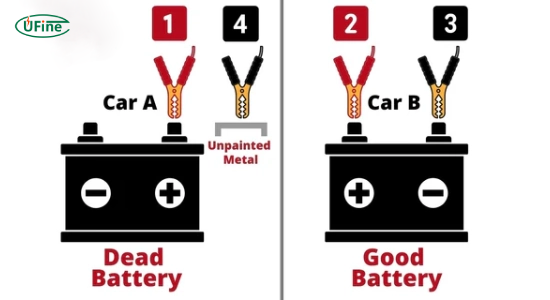
• Connect the red jumper cable clamp to the positive terminal of your dead car battery first
• Attach the other end of the red cable to the positive terminal of the booster vehicle's battery
• Take the black jumper cable and clamp it to the negative terminal of the booster vehicle's battery
• Connect the final black clamp to an unpainted metal surface on your car's engine block, away from the battery itself
This last step is crucial. Connecting to a metal surface instead of the negative terminal reduces the risk of sparks near the battery. Start the booster vehicle's engine and let it run for a minute or two before attempting to start your car. This gives the dead battery a chance to charge slightly. Then start your car and let both vehicles run for a few minutes.
After your engine starts, carefully remove the cables in reverse order. Remove the black cable from your car first, then the black cable from the booster vehicle, followed by the red cable from the booster vehicle, and finally the red cable from your car. Keep your car running for at least twenty to thirty minutes to allow the alternator to recharge your battery.

Common Mistakes People Make When Starting a Dead Car Battery
Learning how to start a dead car battery also means understanding what not to do. I've made plenty of mistakes over the years, and I'd hate for you to repeat them. These common errors can either prevent your car from starting or actually damage your vehicle's electrical system.
The biggest mistake people make is connecting the jumper cables in the wrong order. Some folks connect the negative cable to the negative terminal on their dead battery, which dramatically increases the risk of sparks and explosions. Always connect to a clean metal surface on your engine block instead. Another frequent mistake is using jumper cables that are too thin or low quality. These cables generate excessive heat and don't transfer power efficiently, so your car might not start even though you're connected correctly.
People often disconnect the cables too quickly after the engine starts. Your battery needs time to actually charge, so leaving both vehicles running for at least three to five minutes is essential. Some folks also rev the engine excessively, thinking it'll help. Doing this can overwhelm your dead car battery and potentially damage your alternator. Touching the metal clamps together while they're connected is another dangerous move that creates a spark.
Finally, many people don't address the underlying problem after jump-starting their car. Your battery died for a reason, so investigate and fix whatever caused it. Was it left lights? A faulty alternator? A failing battery that needs replacement? Ignoring the root cause means you'll likely find yourself in the same situation again soon.
Alternative Methods: When Jump Cables Aren't Available
Sometimes you don't have access to another vehicle or jumper cables, and that's when alternative methods for how to start a dead car battery come in handy. These options have saved me more than once when I was in a bind.
A portable jump starter is one of the best investments you can make for your car. These compact battery packs cost between fifty and two hundred dollars and can jump-start your car without needing another vehicle. Just fully charge your jump starter at home and keep it in your trunk. When your battery dies, connect the cables to your battery and follow the device's instructions. Many modern jump starters also include USB ports for charging your phone, making them even more useful.
Push starting, or bump starting, is an old-school method that works on manual transmission vehicles. You'll need at least two people and a slight downhill slope or a flat road where you can build momentum. Put the car in second gear, have someone push while you steer, and pop the clutch. The engine's momentum can turn over the starter, potentially firing up the engine. This method requires some experience and only works with manual transmissions, so it's not for everyone.
Calling roadside assistance is always an option if you have coverage through your insurance company or an auto club membership. This guarantees professional help and gives you peace of mind, though there might be a wait time. Getting a ride to an auto parts store to purchase a new battery might also be necessary if your current one is truly dead and won't hold a charge even after jump-starting.
Preventing Dead Car Battery Issues in the Future
Understanding how to start a dead car battery is helpful, but preventing the problem entirely is even better. I've learned that a few simple habits go a long way in keeping your battery healthy and functional.
Start by developing a routine check. Every month or so, turn on your lights and make sure they turn off completely when you exit the vehicle. Check that dome lights shut off automatically and that you're not leaving anything plugged into the power outlets. Consider your driving habits too—if you're taking mostly short trips, your alternator doesn't get enough time to fully charge your battery. Try to take longer drives at least once a week to give your battery a proper charge cycle.
Keep an eye on your battery's age. Most auto parts stores will test your battery for free and tell you exactly how much life it has left. If it's approaching five years old, start shopping for a replacement before it dies unexpectedly. In winter months, give your battery extra attention since cold weather is hard on batteries. Park in a garage if possible, and keep emergency supplies in your car.
Avoid letting your car sit unused for extended periods. If you're not driving for more than a week or two, consider disconnecting one of the battery terminals or using a battery maintainer that keeps it charged while parked. Fix any electrical issues promptly—if your alternator isn't working properly, your battery won't charge while driving. Regular maintenance goes a long way in preventing future dead car battery emergencies.
When to Replace Your Battery vs. Jump-Starting
Not every dead car battery situation calls for jump-starting. Sometimes your battery is genuinely done for, and you need a replacement. Knowing the difference saves you time and prevents frustration when a jump-start isn't the answer.
If your car consistently fails to start even after successful jump-starts, your battery likely needs replacement. A battery that holds a charge for only a few days before dying again isn't salvageable. If you notice your car struggling to start even in mild weather, or if your battery keeps dying from minor things like leaving lights on for short periods, these are signs of a failing battery approaching the end of its life.
Look for visible signs of battery damage too. If you see cracks in the battery case, leaking fluid, or severe corrosion buildup on the terminals, replacement might be safer than attempting to jump-start. Batteries typically cost between fifty and two hundred dollars depending on your vehicle's size and requirements. Modern batteries with special features or larger capacities cost more, but they often last longer.
A battery that's three to five years old and occasionally needs jump-starting might have some life left in it. But if it's six years or older, seriously consider replacement even if jump-starting works temporarily. An older battery is more likely to fail at the worst possible time, like when you're driving in rush hour traffic or late at night on an empty road. Being proactive about battery replacement prevents getting stranded unexpectedly.
Frequently Asked Questions
How long does it take to jump-start a dead car battery?
The actual process of jump-starting a dead car battery takes about ten to fifteen minutes total, including positioning vehicles, connecting cables, and starting the engine. However, you should let both vehicles run together for another three to five minutes after your car starts, and then keep your car running for at least twenty to thirty minutes afterward to allow the alternator time to recharge your battery properly.
Can you jump-start a car battery multiple times?
Yes, you can jump-start a car battery multiple times, but if you're jump-starting your car frequently, it's a sign your battery is dying and needs replacement. Jump-starting a dead car battery works by borrowing charge from another vehicle, but it doesn't fix an underlying problem like a failing battery or faulty alternator. Repeatedly jump-starting indicates the battery can't hold a charge on its own.
Is it safe to jump-start a car battery if it's cracked or leaking?
No, absolutely do not attempt to jump-start a cracked or leaking battery. A damaged battery leaks corrosive acid and may contain dangerous hydrogen gas that could ignite during the jump-start process. A damaged battery also risks exploding or causing serious injuries, so your safest option is to call for professional roadside assistance or have someone tow your vehicle to a repair shop.
What's the difference between a dead battery and a weak battery?
A dead battery has completely lost its charge and won't power anything in your car, while a weak battery still has some charge but not enough to start the engine reliably. A dead car battery requires jump-starting or replacement, whereas a weak battery might still work if you charge it slowly or take a longer drive. Weak batteries often show warning signs like dim lights or slow engine cranking before dying completely.
How can you tell if your car battery is completely dead or just weak?
A completely dead battery typically produces zero sound or electrical response when you try to start your car, while a weak battery might show dim dashboard lights or a slow clicking sound when turning the key. If nothing happens at all—no lights, no sounds, no response—your battery is likely completely dead and needs jump-starting or replacement. A multimeter can test your battery's exact voltage, showing if it's truly dead or just weak.
Conclusion
Getting stranded with a dead car battery is never fun, but now you have all the knowledge you need to handle it confidently. Knowing how to start a dead car battery is an essential skill that'll save you money on roadside assistance and keep you from feeling helpless when your car won't start. The process is straightforward when you follow the steps carefully, prioritize safety, and use the right equipment.
Remember that jump-starting is often a temporary solution, not a permanent fix. Pay attention to why your battery died in the first place, and address the underlying cause, whether that's a forgotten light, an aging battery, or an electrical system issue. Take preventive steps like regular maintenance checks, avoiding extended periods of disuse, and replacing your battery proactively before it fails.
Keep a set of quality jumper cables in your trunk, consider investing in a portable jump starter for extra peace of mind, and don't hesitate to call for professional help if you're uncomfortable with the process or if your battery shows signs of damage. Your safety is far more important than saving a few dollars. Share this knowledge with friends and family who might find themselves in the same situation, and help them get their cars running again. Stay prepared, stay safe, and you'll rarely find yourself stranded.