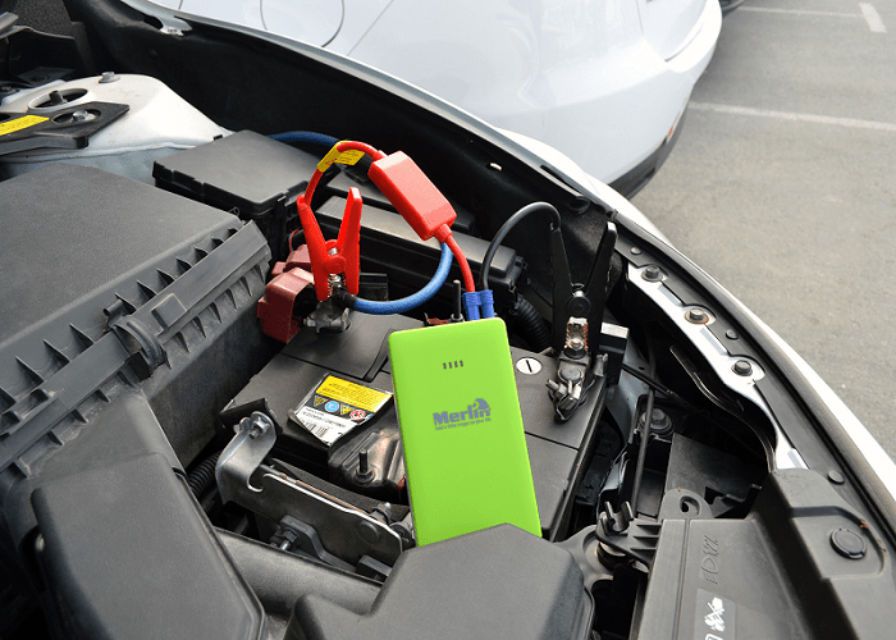
A jump box is a portable battery device that supplies power to your car's dead battery without needing another vehicle. Getting stranded with a dead car battery is stressful, but knowing how to jump your car with a jump box can save you time, money, and frustration. Whether you're in a parking lot, on the highway, or stuck in your driveway, a jump box gives you the independence to get your vehicle running again on your own terms. In this guide, I'll walk you through everything you need to know about using a jump box effectively, sharing real-world tips and best practices I've learned from years of dealing with car troubles.
:max_bytes(150000):strip_icc()/howtoconnectajumpbox-5b4a54c0c9e77c001a913ad7.jpg)
Contents
- Understanding What a Jump Box Actually Is
- Preparing Your Jump Box Before You Need It
- Safety Precautions Before Jumping Your Car
- Step-by-Step Guide: How to Jump Your Car With a Jump Box
- Why Your Jump Box Might Not Work
- When to Seek Professional Help
- Maintaining Your Jump Box for Long-Term Reliability
- Frequently Asked Questions
- Wrapping Up Your Jump Box Journey
Understanding What a Jump Box Actually Is
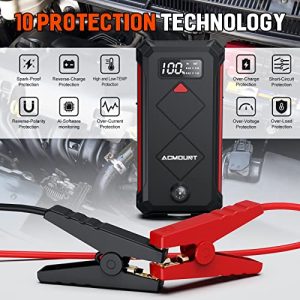
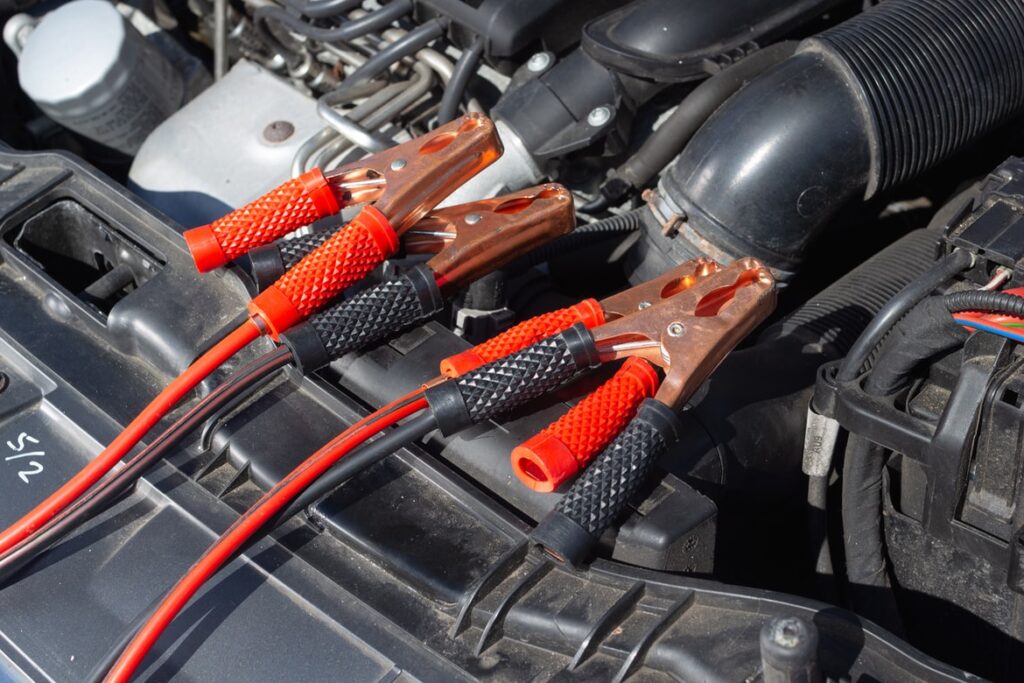
A jump box, also called a portable jump starter or portable power bank for cars, is a compact battery device that stores electrical energy. Think of it like a phone charger, but instead of charging your phone, it charges your car's dead battery. Unlike traditional jumper cables that require another vehicle with a working battery, a jump box works independently, giving you complete control over the situation.
Jump boxes come in different sizes and power levels, measured in peak amps. The higher the amp rating, the more powerful the device and the better it works with larger vehicles. A quality jump box typically ranges from 400 to 2000 peak amps, with most standard vehicles needing somewhere between 400 and 800 amps to start successfully.
I remember the first time I used a jump box after years of relying on jumper cables. I was genuinely surprised by how simple and stress-free it was. No need to flag down another driver or wait for roadside assistance. That experience completely changed how I think about car emergencies.
Preparing Your Jump Box Before You Need It
The most important part of knowing how to jump your car with a jump box starts long before your battery dies. You need to keep your jump box charged and ready to go, just like you'd keep your phone charged.
When you first buy your jump box, charge it fully before storing it. Then, make a habit of charging it every few months, even if you haven't used it. Many people forget about this step and discover their jump box is dead when they need it most, which defeats the entire purpose.
Store your jump box in an accessible place in your vehicle, like your glove compartment, under a seat, or in your trunk. I keep mine in my trunk alongside some basic tools and a flashlight. Make sure it's protected from extreme temperatures, though, as extreme heat or cold can affect battery performance.
Also, read the manufacturer's instructions that come with your specific jump box. Different models have slightly different features and safety requirements, and you'll want to be familiar with yours before an emergency happens.
Safety Precautions Before Jumping Your Car
Before you start the process of using a jump box to jump your car, take a few moments to ensure your safety. Safety might seem boring, but it's genuinely important when dealing with electrical systems and batteries.
First, turn off your car completely. Don't just put it in park or neutral, but actually turn off the engine and all electrical systems. This prevents any electrical surges from damaging your vehicle's computer or causing sparks.
Next, remove any metal jewelry or watches. Batteries produce electricity, and metal conducts electricity, so you want to eliminate any risk of accidental electrical contact. This might sound extreme, but it's a legitimate safety concern.
Check the condition of your battery terminals. If they're heavily corroded with white, blue, or green crusty buildup, you might need to clean them first. I use a wire brush or old toothbrush with some baking soda and water to gently clean the terminals, then dry them thoroughly.
Make sure you're in a safe location away from traffic. If your car died while driving, pull to the side of the road and turn on your hazard lights. Never attempt to jump your car while sitting in moving traffic.

Step-by-Step Guide: How to Jump Your Car With a Jump Box
Now let's get into the actual process of how to jump your car with a jump box. This is where everything comes together, and I'll walk you through each step carefully.
Step One: Position Your Jump Box Safely
Place your jump box on a stable surface near your car's battery. You don't need to open the hood completely yet, just enough so you can see the battery terminals clearly. The battery is usually located in the engine compartment, though on some vehicles it might be in the trunk or under a seat.
Make sure the jump box itself is not touching any metal parts of the engine. Keep it away from any moving engine parts and liquids. I usually place mine on the engine block itself or on a clean section of the engine compartment.
Step Two: Identify Your Battery Terminals
Look at your car's battery and locate the positive and negative terminals. The positive terminal is marked with a red cap or the plus sign, while the negative terminal has a black cap or a minus sign. This distinction is absolutely critical, and mixing them up can cause serious electrical damage.
If you're having trouble identifying them, check your owner's manual or look up your specific car model online. Never guess about battery terminals because the consequences aren't worth the risk.
Step Three: Connect the Red Clamp to Positive Terminal
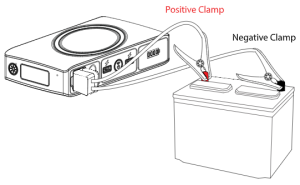
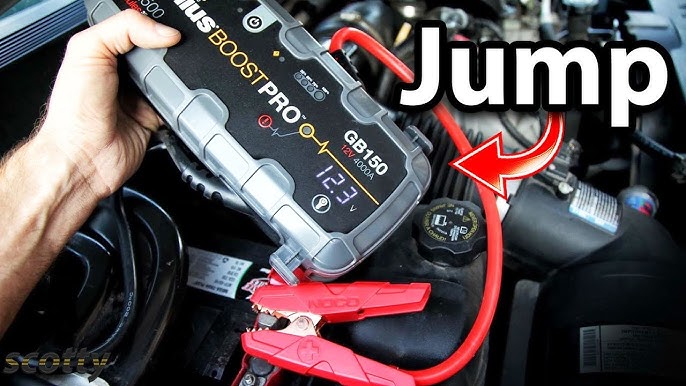
Take the red clamp from your jump box and attach it firmly to the positive terminal on your car's battery. Push it on until it's secure and won't fall off. You should hear a clicking sound when it connects properly.
The connection needs to be tight and make good metal-to-metal contact. A loose connection might not transfer enough power to start your car, so really ensure it's clamped down well.
Step Four: Connect the Black Clamp to Negative Terminal
Now take the black clamp and attach it to the negative terminal on your battery. Again, push it on firmly until it's secure. Some people prefer to clamp the negative terminal to an unpainted metal surface on the engine instead of directly to the battery terminal, which provides an alternative ground connection.
I usually connect directly to the negative terminal to keep things simple and straightforward.
Step Five: Wait and Then Start Your Engine
Wait about 30 seconds to a minute for the jump box to establish connection and begin transferring power. This gives the electrical system time to stabilize. Then, turn on your car's ignition and try to start the engine.
The engine should turn over and start running. If it doesn't start on the first try, wait another 30 seconds and try again. Don't continuously try to start the engine, as this drains the jump box battery quickly.
Step Six: Remove the Clamps in Reverse Order
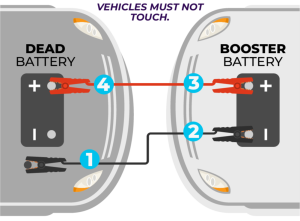
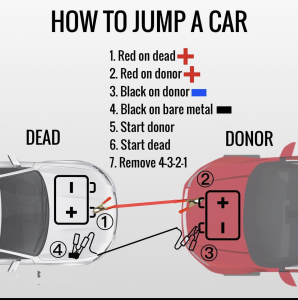
Once your engine is running, carefully remove the clamps in the opposite order you connected them. First, remove the black clamp from the negative terminal, then remove the red clamp from the positive terminal.
Let your engine run for at least five to ten minutes before driving. This allows your alternator to begin recharging your battery.

Why Your Jump Box Might Not Work
Sometimes you follow all the steps for how to jump your car with a jump box, but nothing happens. This is frustrating, but usually there's a simple explanation.
The most common reason is that your jump box doesn't have enough charge. If you haven't been maintaining the charge on your jump box, it might not have enough power to jump your car. Check the charge indicator on your jump box and charge it fully before trying again.
Another common issue is that your car's battery is completely dead or damaged beyond the jump box's ability to help. If your battery is more than five or six years old and still won't start even after jumping, the battery itself might need replacement.
Bad battery terminals with heavy corrosion can also prevent a successful jump. The corrosion acts like an insulator, preventing electricity from flowing properly. Cleaning the terminals with a wire brush solves this problem in most cases.
Sometimes the jump box clamps aren't making good contact with the terminals. This is usually because the clamps are dirty or the terminals are wet. Wipe everything dry and clean, then try again with the jump box firmly clamped down.
Finally, your vehicle might have a dead alternator or other electrical issues beyond a simple dead battery. If jumping your car with a jump box works temporarily but your battery dies again immediately, you probably have an underlying electrical problem that needs professional diagnosis.

When to Seek Professional Help
Knowing when to stop trying on your own and call a professional is just as important as knowing how to jump your car with a jump box.
If you've tried using your jump box multiple times and your car still won't start, you likely have a problem beyond a simple dead battery. Repeated jumping attempts without success usually indicate battery failure or an electrical system issue.
If your battery keeps dying even after successful jumps, your alternator probably isn't charging properly. The alternator is responsible for recharging your battery while the engine runs, and if it's broken, your battery will drain again within a few hours or days of driving.
If you notice other electrical problems like dim lights, clicking sounds when starting, or your car dying while driving, these are signs of deeper electrical issues that require professional attention. Don't ignore these warning signs.
Also, if your jump box seems faulty or won't hold a charge, don't rely on it for important trips. A malfunctioning jump box can leave you stranded, so have it tested or replaced if you suspect problems.
Maintaining Your Jump Box for Long-Term Reliability
Taking care of your jump box ensures it'll be there when you need it. This is something I learned the hard way after neglecting mine for months and discovering it wouldn't work when I actually had an emergency.
Charge your jump box every two to three months, regardless of whether you've used it. Modern jump boxes have battery management systems that prevent overcharging, so leaving it plugged in overnight is generally safe.
Store your jump box in a cool, dry place. Extreme heat can damage the internal battery, and moisture can cause corrosion. Your car's trunk is fine as long as you're not parking in extreme heat regularly.
Keep the clamps clean and free of corrosion. Wipe them down occasionally with a dry cloth. If they do corrode, you can clean them gently with a small wire brush or some white vinegar on a cloth.
Check the cable connections periodically to ensure they're secure. Loose connections can prevent your jump box from working properly when you need it.
If your jump box isn't used for several months, test it on a friend's car or take it to an auto parts store to verify it still works. This ensures you won't have any nasty surprises during an actual emergency.
Frequently Asked Questions
Can I use a jump box on any type of vehicle?
Most jump boxes work on standard cars, SUVs, and trucks. However, very large diesel vehicles or heavy equipment might require a jump box with higher peak amps than standard models provide, so check your vehicle's requirements first.
How long does it take to charge a jump box?
Most modern jump boxes charge fully in four to six hours when plugged into a standard wall outlet, though some fast-charging models can charge in two to three hours. Always refer to your specific model's instructions.
Is it safe to leave my car running after I jump it with a jump box?
Yes, leaving your car running for at least five to ten minutes after jumping it is actually recommended. This allows your alternator to begin recharging your battery and stabilizes the electrical system.
What happens if I connect the clamps backwards on the jump box?
Connecting the clamps backwards can cause serious electrical damage to your vehicle's computer, dashboard, and other electronic components. Always connect the red clamp to positive first and the black clamp to negative.
Can a dead jump box battery be recharged?
Yes, all quality jump boxes can be recharged many times. Simply plug them into a standard wall outlet or USB charger depending on your model. Most jump boxes last for hundreds of charge cycles before the internal battery needs replacement.
Do I need to disconnect my jump box before driving?
No, you should disconnect your jump box immediately after your engine starts successfully. Leaving it connected while driving serves no purpose and can potentially cause issues, so remove both clamps as soon as the engine is running.
Wrapping Up Your Jump Box Journey
Mastering how to jump your car with a jump box transforms you from someone dependent on others during a battery emergency into someone truly prepared and independent. This simple skill takes just a few minutes to learn but can save you hours of waiting and hundreds of dollars in towing fees.
The beauty of a quality jump box is its simplicity, reliability, and genuine peace of mind. Once you've successfully used one, you'll wonder why you waited so long to get one. Keep your jump box charged, store it safely in your vehicle, and you'll have one less thing to worry about when life throws unexpected car problems your way.
Don't wait for an emergency to learn how to jump your car with a jump box. Practice with a friend's car or at an auto parts store if possible, so you're completely confident when you actually need to use it. Your future self will be incredibly grateful for the preparation and effort you invest today.