A portable jump starter can revive a dead car battery in minutes without needing another vehicle. Getting stranded with a dead battery is one of those frustrating moments that can derail your entire day. But here's the good news: you don't need to wait for roadside assistance or flag down a friendly neighbor anymore. With a portable car battery charger, you've got the power to bring your vehicle back to life right in your driveway or parking lot. I've been working with automotive tools for years, and I can tell you that portable battery chargers have become one of the most reliable backup solutions for any driver. Whether you're dealing with an older car that struggles in cold weather or you simply want peace of mind on long road trips, understanding how to jump a car battery with a portable charger is a skill that'll serve you well.
Contents
- Understanding Your Portable Car Battery Charger
- Preparing Your Portable Jump Starter Before You Need It
- Safety Precautions Before Jumping Your Car Battery
- Step-by-Step Guide to Jump Your Car Battery With a Portable Charger
- What to Do If the Portable Charger Doesn't Work
- Tips for Maintaining Your Car Battery Between Jumps
- When to Replace Your Battery Instead of Jumping It
- Frequently Asked Questions
- Conclusion
Understanding Your Portable Car Battery Charger
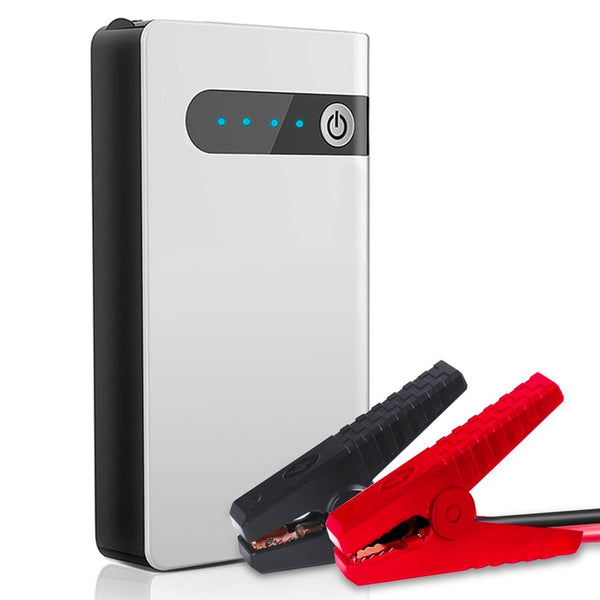
Before you jump into action, it's important to know what you're working with. A portable jump starter, also called a portable power bank for cars, is a compact device that stores electrical energy and can deliver it to your car battery when needed. These devices come in various sizes and capacities, but they all work on the same basic principle: transferring stored power to restart your engine.
I've tested dozens of these chargers over the years, and the quality really varies. Some are small enough to fit in your glove compartment, while others are more robust units designed for heavy-duty use. The capacity is measured in milliamp-hours (mAh) or amp-hours (Ah). A higher number means more power, which is crucial if you're driving a larger vehicle or have a seriously drained battery.
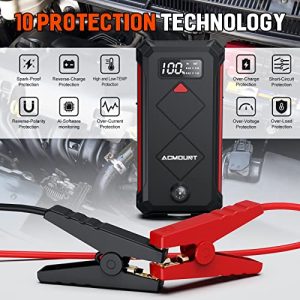
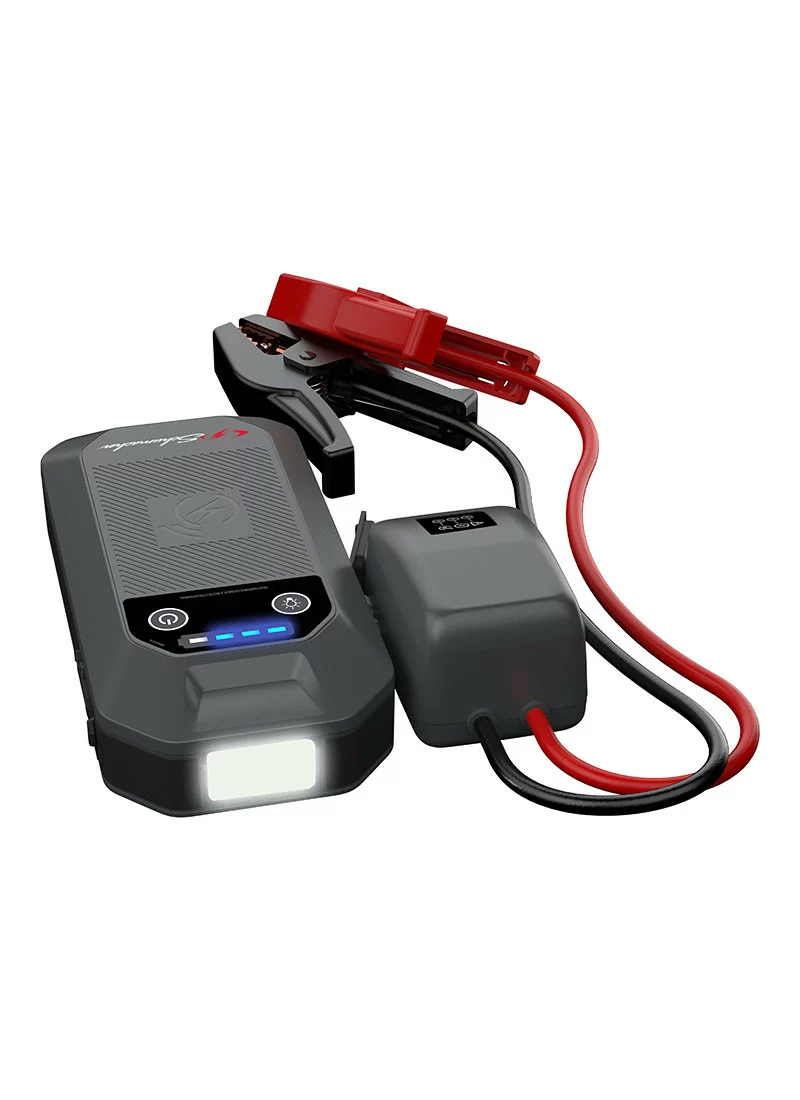
The most common types you'll encounter are lithium-ion portable jump starters, which are lightweight and efficient, and traditional lead-acid jump starter boxes, which are heavier but often more affordable. Modern portable chargers often come with additional features like USB ports for charging your phone, built-in flashlights, and emergency warning lights. Knowing these basics sets you up for success when you need to use the device.
Preparing Your Portable Jump Starter Before You Need It
Here's a lesson I learned the hard way: never wait until your battery dies to check if your portable charger actually works. I once tried to use a neglected jump starter only to discover it had been drained weeks ago. That experience taught me to keep maintenance a priority.
Keep your portable battery charger charged at all times. Most devices need a full charge to deliver maximum power, so plug it in regularly, especially before long trips. Store it in a cool, dry place where you can easily access it in an emergency. Your car trunk or under the driver's seat are both solid choices.
Always review the manufacturer's instructions before you actually need to use the device. Every portable charger is slightly different, and the last thing you want during a stressful situation is to fumble through a manual. Familiarize yourself with the LED indicators, which typically show battery status and whether the device is functioning properly. This preparation takes just a few minutes but can save you hours of headache later.
Safety Precautions Before Jumping Your Car Battery
Safety should always come first when dealing with electrical systems. Before you attempt to jump your car battery with a portable charger, take a moment to assess the situation. Make sure your car is parked safely away from traffic, and turn off the engine completely. Never attempt to jump a battery if the car is running.
Remove any metal jewelry, especially rings and watches, because they conduct electricity and could cause dangerous sparks. If your battery has visible cracks or is leaking fluid, don't attempt to jump it yourself. This indicates a serious problem that requires professional attention.
Check that both the portable charger and your car battery are at reasonable temperatures. Attempting to jump a battery in extreme heat or cold can reduce effectiveness and potentially damage the charger. If it's extremely cold outside, you might want to move your car to a warmer location if possible. Clear the battery area of any corrosion or loose debris before connecting anything. These safety steps might seem simple, but they're absolutely critical for protecting yourself and your vehicle.

Step-by-Step Guide to Jump Your Car Battery With a Portable Charger
Now let's walk through the actual process of how to jump your car battery with a portable charger. I'll break this down into simple, manageable steps so you can confidently handle the situation when it happens.
Locate Your Car Battery and Portable Charger
First, you need to find your vehicle's battery. Pop open the hood and look for a large rectangular or cylindrical device with two terminal posts sticking out the top. These terminals are typically red for positive and black for negative. It's usually located near the engine, though some vehicles have it in different spots. Pull out your portable jump starter and make sure it's fully charged before proceeding.
Check the Portable Charger Settings
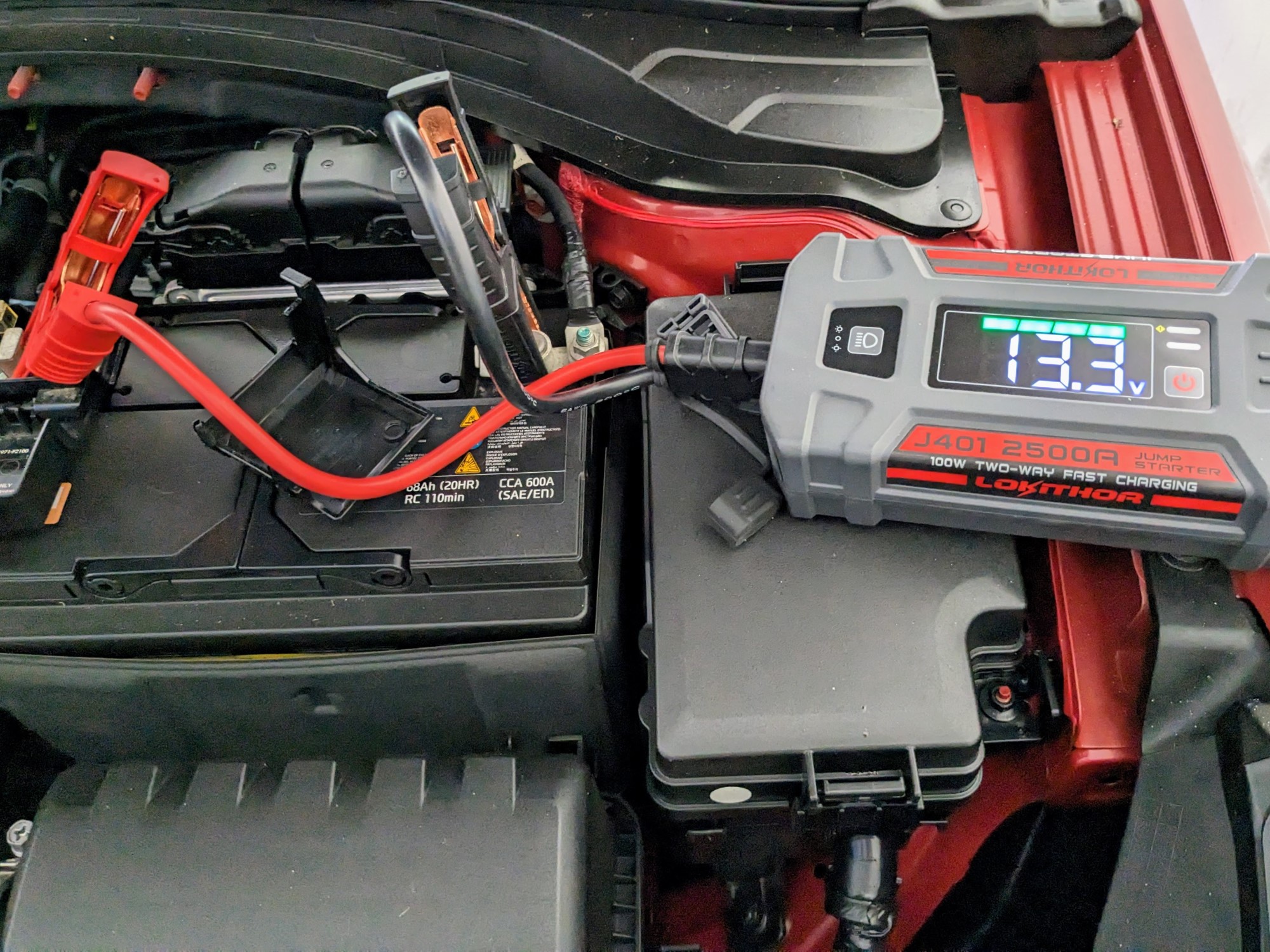
Most portable chargers have different modes or settings depending on your vehicle type. Some have separate settings for cars, SUVs, and motorcycles. Check your charger's display to ensure it's set to the correct vehicle type. Many modern units automatically detect the voltage needed, which makes the process even simpler. Take a moment to review which clamp is positive and which is negative on your charger's cables.
Clean the Battery Terminals
Even a small layer of corrosion can prevent a good electrical connection. Using a dry cloth or an old toothbrush, gently clean both the positive and negative battery terminals. If there's heavy corrosion (a blue or white crusty buildup), you can mix a small amount of baking soda with water to clean it off. Make sure everything is dry before connecting anything. This step might seem minor, but it significantly improves the effectiveness of your jump.
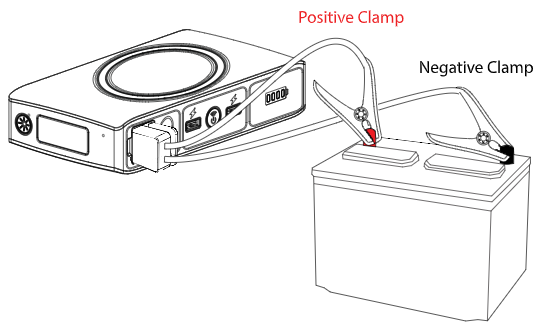
Connect the Positive Clamp First
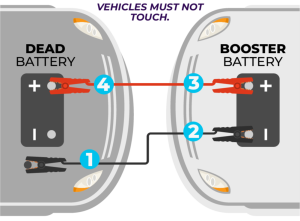
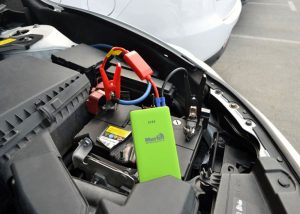
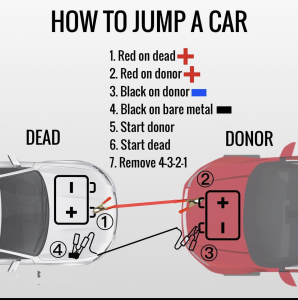
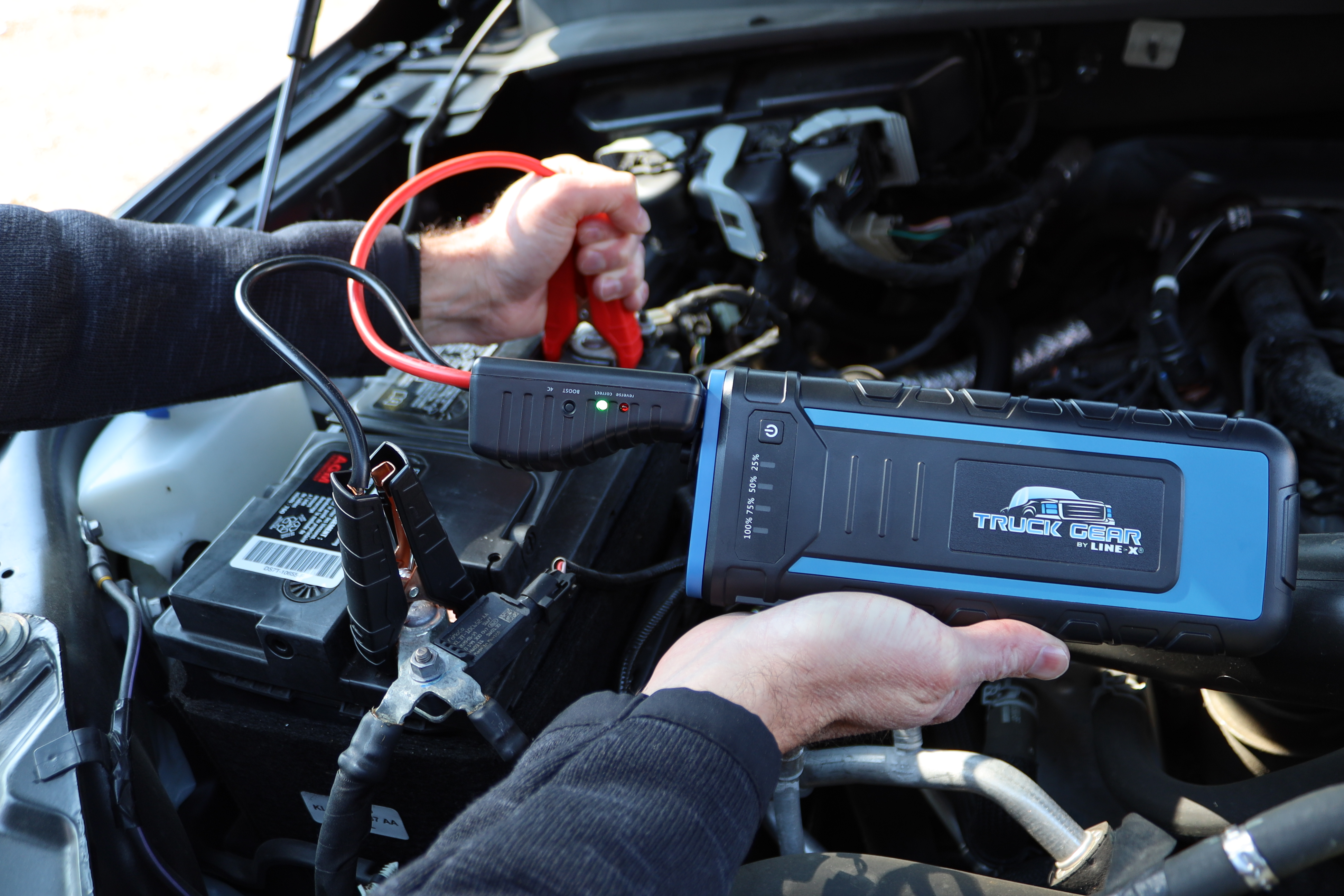
This is where the actual jumping begins. Take the red clamp from your portable charger and firmly attach it to the positive terminal of your car battery. You'll hear a little click when it's secured properly. The positive terminal is usually marked with a plus sign or the letter P. Make sure the clamp makes solid contact and isn't loose. A poor connection is one of the most common reasons why jump starting fails.
Connect the Negative Clamp to the Battery
Now take the black clamp from your portable charger and attach it to the negative terminal of your car battery. The negative terminal typically has a minus sign or the letter N. Again, ensure a firm connection. At this point, both clamps should be securely attached to your battery, and you might see some indicator lights on the charger showing that a connection has been established.
Activate the Portable Charger
Most portable jump starters have a power button or switch that you need to press to begin the charging process. Push this button now, and you'll usually see LED lights indicating that power is flowing. Some chargers require you to hold the button for a few seconds. The device will begin transferring power to your dead battery. This process typically takes between one and five minutes, depending on how drained your battery is and how powerful your charger is.
Start Your Engine
After a minute or two of charging, try starting your engine. Turn the key in the ignition or press the start button if you have a push-start vehicle. If the engine doesn't turn over, wait another minute and try again. Don't continuously crank the engine repeatedly, as this drains what little power is available. If it starts, let the engine run for a few seconds to confirm it's staying on.
Safely Disconnect the Clamps
Once your engine is running, it's time to carefully disconnect everything. Start by removing the black clamp from the negative terminal. Then remove the red clamp from the positive terminal. Make sure you're removing the clamps while the engine is running, as this is the safest approach. Place the clamps back on your portable charger in a safe position.
Keep Your Engine Running
Now here's the important part: don't turn off your engine immediately after disconnecting. Let it run for at least 10 to 15 minutes. This allows your alternator to recharge the battery so you don't end up stranded again immediately after leaving your driveway. If you're jumping your battery in a parking lot or on the road, drive around for a bit to help the charging process along.

What to Do If the Portable Charger Doesn't Work
Sometimes despite your best efforts, the portable charger doesn't revive your battery. This can happen for several reasons, and it's helpful to know how to troubleshoot. First, make sure both clamps are making solid contact with the battery terminals. Loose connections are often the culprit behind failed jump attempts.
If you're still having issues, try waiting another minute before attempting to start the engine. Some batteries need a bit more time to accept a charge. Check that your portable charger itself is fully charged. A low-power charger might not have enough juice to jump a completely dead battery, especially in cold weather.
If you've tried multiple times and nothing is working, your battery might be damaged beyond what a portable charger can fix. This is when you need to call a professional. Contact roadside assistance or a local mechanic. Your battery might need replacement, or there could be a deeper electrical issue with your vehicle. Don't keep trying if it's not working after a couple of attempts, as you might damage either the battery or the charger.
Tips for Maintaining Your Car Battery Between Jumps
Getting your car back on the road is just the beginning. To avoid finding yourself in this situation repeatedly, you need to take care of your battery. Drive your car regularly, as inactive vehicles are more prone to battery drain. Aim to drive for at least 20 minutes at a time to give your alternator enough time to recharge the battery properly.
Keep your electrical systems in check. Make sure your lights turn off completely when you exit the vehicle, and don't leave accessories running when the engine is off. Battery drains often happen because people forget about dashboard lights or phone chargers left plugged in overnight.
Have your battery tested regularly, especially if it's more than three years old. Many auto parts stores offer free battery testing services. A weak battery might still start your car most days but fail unexpectedly when conditions are harsh. Replacing a battery before it completely dies is far easier than dealing with the stress of being stranded.
Keep your battery terminals clean and free of corrosion. Every month or so, pop open your hood and take a quick look. If you notice any blue or white crusty buildup, clean it off with that baking soda mixture I mentioned earlier. This simple maintenance task keeps your battery functioning at its best.

When to Replace Your Battery Instead of Jumping It
There comes a point where jumping your battery isn't the solution anymore. If you find yourself needing a jump more than once every six months, your battery is probably on its way out. A healthy battery should reliably hold a charge for years.
Battery replacement becomes necessary when your battery is visibly damaged, leaking, or swollen. These are serious signs that the battery has failed internally and jumping it is just a temporary fix. If your battery is more than five years old and struggling, replacement is usually the most cost-effective solution.
Pay attention to how your battery behaves during cold weather. If it starts fine in warm conditions but fails when temperatures drop, the battery is losing its effectiveness. Modern car batteries are typically rated to handle cold starts, so repeated failure in winter is a sign of aging. Most auto shops can install a new battery in about 30 minutes, and the peace of mind is worth every penny.
Frequently Asked Questions
How long does it take to jump a car battery with a portable charger?
The entire process typically takes between 5 to 15 minutes, depending on how severely drained your battery is and how powerful your portable charger is. Most modern jump starters can revive a dead battery in about 5 to 10 minutes of charging time, plus a minute or two to actually start the engine.
Can I damage my car's electrical system by using a portable charger incorrectly?
Yes, if you connect the clamps backward or don't follow proper procedures, you could potentially damage your car's electrical components. Always ensure the red clamp goes to the positive terminal and the black clamp goes to the negative terminal to avoid this risk.
How often should I charge my portable jump starter?
You should charge your portable battery charger every month or two, even if you haven't used it. This keeps the internal battery fresh and ready for emergencies. Some modern chargers have low-power modes that slowly drain even when not in use, so regular charging is essential.
Will a portable charger work on all car battery types?
Most portable jump starters work on standard lead-acid batteries found in conventional cars, SUVs, and trucks. However, some high-end vehicles with specialized electrical systems might have specific requirements. Always check your vehicle's manual and the charger's compatibility before purchasing.
What's the difference between a portable charger and traditional jumper cables?
A portable charger is independent and doesn't require another vehicle, while jumper cables need a second car with a working battery. Portable chargers are more convenient and reliable, though they do require regular charging to be ready when you need them.
Conclusion
Knowing how to jump your car battery with a portable charger is a practical skill that gives you genuine independence on the road. You're no longer stuck waiting for help when your battery dies unexpectedly. A quality portable jump starter, combined with the knowledge of how to use it safely and effectively, transforms an overwhelming emergency into a manageable problem.
The best time to prepare is before you need it. Invest in a reliable portable charger, keep it charged, and familiarize yourself with the process. When that inevitable moment comes, you'll handle it with confidence and get back on your way in minutes.
Ready to take control of your automotive emergencies? Pick up a quality portable jump starter this week and test it out in your driveway while everything is calm and stress-free. Your future self will thank you when you're safely back on the road instead of waiting on hold with roadside assistance. Share your portable charger experience in the comments below, or let me know which features matter most to you when choosing one.