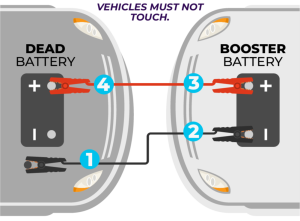
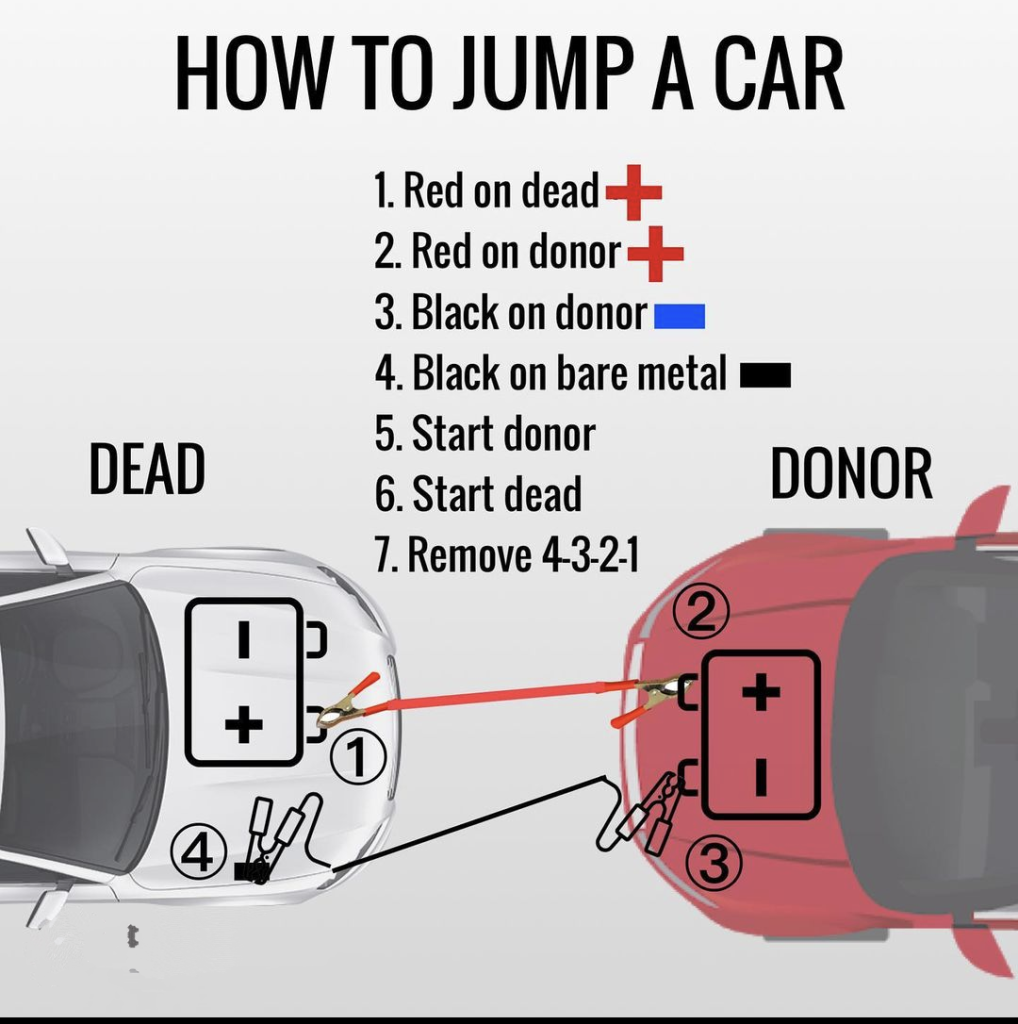
Jump-starting a dead car battery is simple: connect positive cables to both batteries, then negative cables, start the working car, wait, start your car, and reverse the process.
We've all been there—you turn that ignition key and hear nothing but a disappointing click-click-click sound. A dead car battery can ruin your morning, leave you stranded, or make you late for something important. The good news? You don't need a tow truck or a mechanic if there's another car nearby. Learning how to jump car battery with another car is one of those essential skills that can save you money, time, and a whole lot of frustration.
In this guide, I'm going to walk you through everything you need to know about how to jump car battery with another car. Whether you're a first-timer or just need a quick refresher, I've got you covered with clear steps, safety tips, and practical advice from real-world experience.
Contents
- Understanding Car Batteries and Why They Die
- What You Need to Jump a Car Battery
- Safety Precautions Before Jump-Starting Your Car
- Step-by-Step Guide to Jump Car Battery with Another Car
- Common Mistakes to Avoid When Jump-Starting
- When You Shouldn't Attempt to Jump Start Your Car
- Why Your Car Battery Keeps Dying
- What to Do After Successfully Jump-Starting Your Car
- Frequently Asked Questions
- Conclusion
Understanding Car Batteries and Why They Die
Before we jump into the how-to part of how to jump car battery with another car, let's understand what we're dealing with. Your car battery is basically a chemical powerhouse that stores electrical energy and delivers it when you need to start your engine. It typically operates at 12 volts and provides the initial spark that gets everything moving.
Batteries die for all kinds of reasons. Maybe you left your lights on overnight, or the battery is just old and worn out. Sometimes cold weather makes it harder for batteries to hold a charge. Other times, a faulty alternator isn't recharging your battery while you drive. Understanding the root cause helps you prevent future issues, but right now, we just need to get you moving again.
The beautiful thing about knowing how to jump car battery with another car is that it's completely doable with basic tools and another vehicle. You don't need special skills or expensive equipment—just a set of jumper cables and another car with a working battery.
What You Need to Jump a Car Battery
Let's talk about the tools required for how to jump car battery with another car. You don't need much, which is one of the reasons this process is so popular.
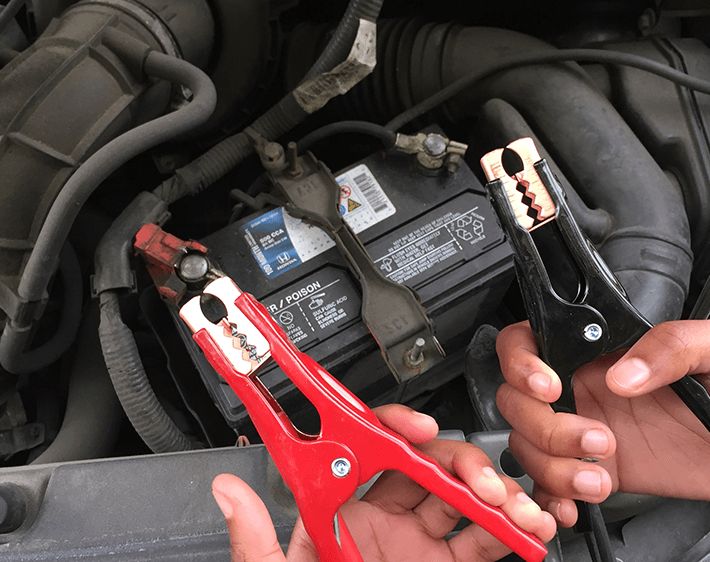
You'll need jumper cables first and foremost. These are cables with clamps on each end that create a connection between two batteries. Good quality jumper cables typically come in either 4-gauge or 2-gauge thickness, with 4-gauge being lighter and 2-gauge offering better conductivity. I always keep a set in my car—they're inexpensive insurance against getting stranded.
Next, you need another vehicle with a working battery. It should ideally be similar in voltage to yours, though most passenger cars run on 12-volt systems. The other car needs to be parked close enough that your jumper cables can reach both batteries comfortably.
That's honestly the minimum requirement for how to jump car battery with another car. Of course, you'll want to wear some basic safety gear if you have it available—gloves and eye protection are great additions if you happen to have them in your car.
Safety Precautions Before Jump-Starting Your Car
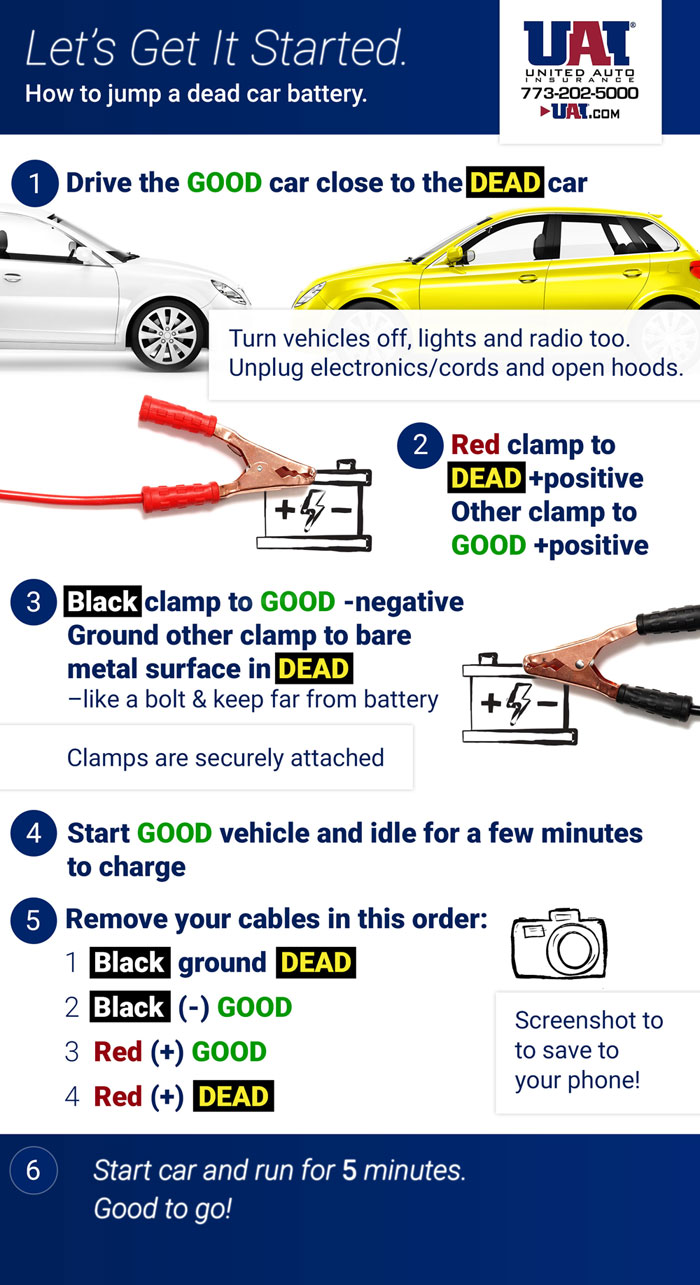
Safety comes first when you're learning how to jump car battery with another car. Car batteries contain corrosive sulfuric acid and generate hydrogen gas, so you want to be smart about this process.
First, inspect both batteries visually. Look for any cracks, leaks, or corrosion on the battery terminals. If you see something that looks dangerous—like a swollen battery or visible acid—don't attempt the jump and call a professional instead.
Check that both cars are turned off before you even touch the jumper cables. This prevents electrical surges and sparks that could be hazardous. Make sure both vehicles are parked in neutral with parking brakes engaged. You don't want either car rolling or suddenly starting.
Keep metal objects away from the battery terminals. This includes jewelry, tools, or anything else that could create an accidental bridge between the positive and negative terminals. That's how you cause sparks and potentially dangerous situations.
Remove any metal jewelry from your hands and wrists. I learned this the hard way early in my driving years when I nearly created a spark with a watch band. It's not worth the risk.
Make sure there are no flammable materials near either battery. Gasoline vapors or other flammable liquids combined with the hydrogen gas batteries produce can create a dangerous situation. If you're near a gas station, move your cars somewhere safer.

Step-by-Step Guide to Jump Car Battery with Another Car
Now here's the moment you've been waiting for—the actual process of how to jump car battery with another car. I'll break this down into clear, manageable steps.
Step 1: Position the Cars Properly
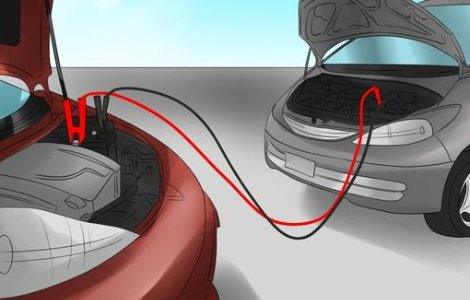
Park both vehicles close to each other, but not touching. You want enough distance that you can safely move around both cars, but the jumper cables need to reach both batteries comfortably. Both cars should be facing the same direction if possible, and make absolutely sure both engines are turned off.
Step 2: Locate Both Batteries
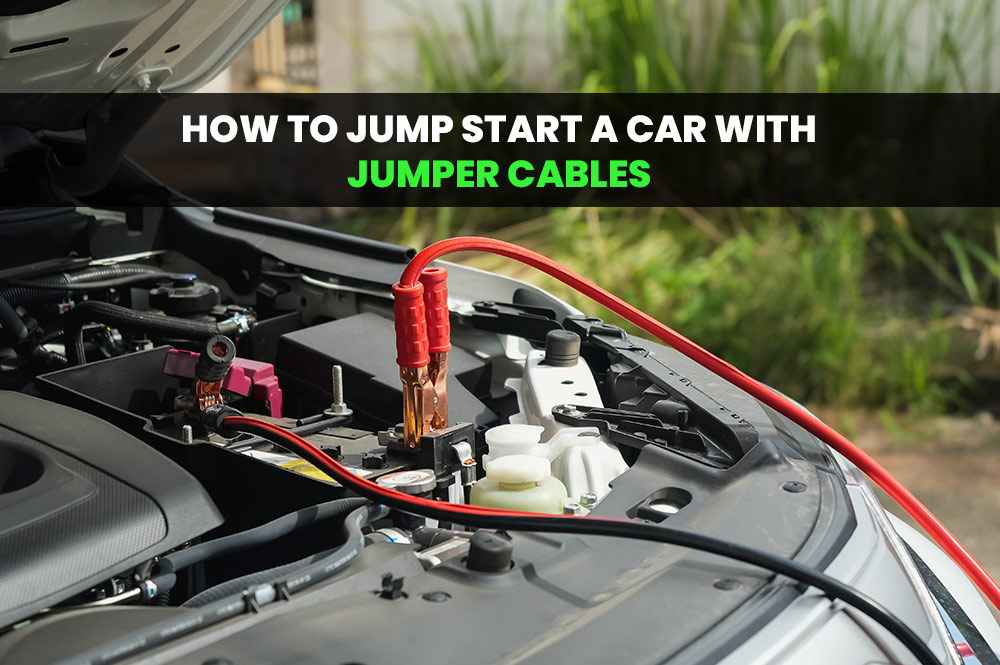
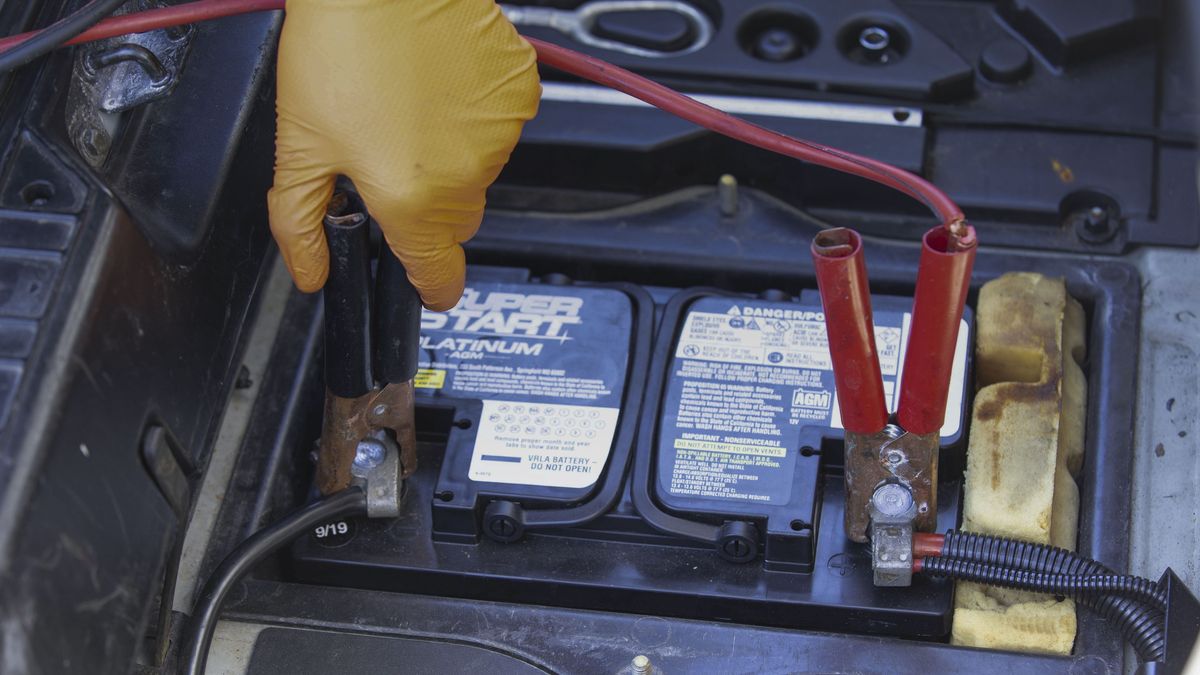
Pop both hoods and locate the batteries. They're typically in a corner of the engine bay and have red and black cable terminals. The red terminal is positive, and the black one is negative. Familiarize yourself with where everything is before you touch any cables.
Step 3: Inspect the Battery Terminals
Check the terminals for any corrosion—that white, blue, or green crusty buildup. If there's heavy corrosion, you can carefully brush it away with a cloth, but don't worry about minor buildup. The jumper cables should make good contact.
Step 4: Connect the Positive Cable to the Dead Battery
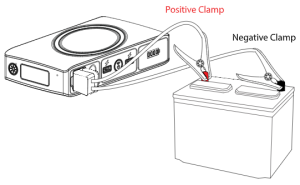
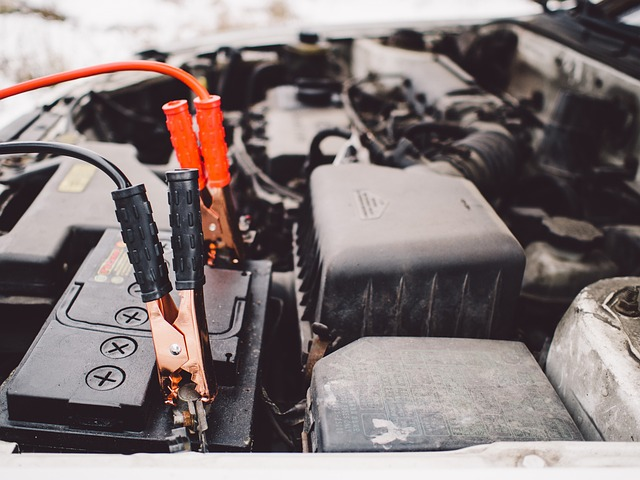
Take the red jumper cable and attach the positive clamp to the positive terminal of the dead battery in your car. Push it on firmly until you see it grip well. Make sure it's making solid contact—a loose connection won't work properly.
Step 5: Connect the Positive Cable to the Good Battery
Now take the other end of the red cable and attach it to the positive terminal of the good battery in the helper vehicle. Again, push firmly to ensure good contact. At this point, you've created the positive connection between both batteries.
Step 6: Connect the Negative Cable to the Good Battery
This step is crucial for how to jump car battery with another car. Take the black jumper cable and attach it to the negative terminal of the good battery. Don't connect it to your dead battery yet—we'll get to that.
Step 7: Connect the Negative Cable to Unpainted Metal on Your Car
Here's where some people get confused. Instead of connecting the black cable directly to the negative terminal of your dead battery, find an unpainted metal surface on your car's engine. This could be a bolt, a metal bracket, or any exposed metal part of the engine block. Attach the negative clamp there instead. This grounding technique helps protect your car's electrical system by preventing sparks near the battery where hydrogen gas might be present.
Step 8: Start the Helper Vehicle
Have the person with the good battery car start their engine and let it run for a minute or two. This gets the alternator working and charges your dead battery a bit before you try to start your car.
Step 9: Start Your Car
Now try starting your car. Turn the key and listen. You should hear the engine cranking over. It might take a few tries, so don't get discouraged. If it doesn't start after 3-4 attempts, wait a minute and try again. Continuous cranking can damage your starter.
Step 10: Let Your Car Run
Once your car starts, let it run for a couple of minutes. This allows your alternator to charge your battery and stabilize your electrical system. Keep both engines running during this time.
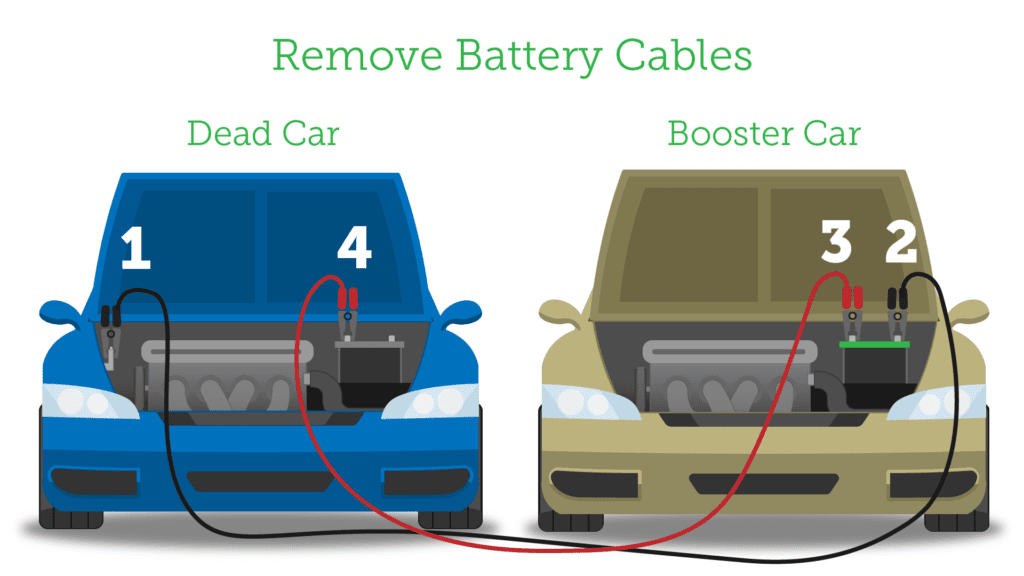
Step 11: Disconnect the Cables in Reverse Order
This is just as important as connecting them correctly. Disconnect in this specific order: black cable from your car, black cable from the helper vehicle, red cable from the helper vehicle, and finally red cable from your car. Always go in reverse, starting with the negative connections.
Step 12: Keep Your Car Running
After you disconnect the jumper cables, drive your car around for at least 15-20 minutes to keep charging your battery. This is critical for how to jump car battery with another car success because your alternator needs time to fully recharge the battery.
Common Mistakes to Avoid When Jump-Starting
Learning how to jump car battery with another car is straightforward, but people still make mistakes. I've seen them all, and I want to help you avoid them.
The biggest mistake is connecting the negative cable directly to the negative terminal of the dead battery instead of to unpainted metal. This increases the risk of sparks near hydrogen gas. It seems minor, but it's a safety issue worth getting right.
Another frequent mistake is disconnecting the cables in the wrong order. Always disconnect the negative from your car first, then the negative from the good car, then the positive from the good car, and finally the positive from your car. It seems backward, but it's the safest way.
People also often disconnect immediately after their car starts and then drive around wondering why the battery dies again. Your alternator needs time to recharge a deeply dead battery. If you're not driving long enough afterward, you'll just find yourself stranded again.
Trying to jump-start a battery that's cracked, leaking, or severely damaged is another dangerous mistake. If the battery is visibly compromised, don't attempt how to jump car battery with another car. Call a tow truck instead.
Finally, some people try to jump-start their car without letting the good battery's car run for a minute first. This doesn't give the working battery a chance to stabilize before sharing its charge with the dead battery. It's a small step that makes a real difference in success rates.
When You Shouldn't Attempt to Jump Start Your Car
There are definitely situations where how to jump car battery with another car isn't the right solution. Recognizing these situations keeps you safe.
If your battery is visibly damaged—cracked case, leaking fluid, or unusual swelling—don't attempt a jump start. These batteries can fail unexpectedly and might even explode. Your safety is worth the cost of a new battery.
If you smell rotten eggs around your battery, that's a sign of a sulfur smell that indicates internal battery problems. This usually means the battery is beyond saving, and you need a replacement.
If you've been trying to jump start your car repeatedly without success, stop after three or four attempts. Continuous cranking damages your starter motor and doesn't help a truly dead battery. This tells you that the problem might be something other than a dead battery, like a faulty starter or alternator.
Similarly, if your car starts but immediately dies after you remove the jumper cables, something else is wrong. This could indicate a bad alternator that isn't maintaining your charge, and you need professional diagnosis.
If either vehicle has visible damage near the battery area or you notice frayed wires, don't proceed. Damaged electrical systems can be unpredictable and potentially dangerous.
Why Your Car Battery Keeps Dying
Understanding why you keep needing how to jump car battery with another car might help you avoid this situation in the future. There are usually a few culprits.
An old battery is the most common reason. Car batteries typically last 3-5 years, depending on climate and driving habits. If your battery is approaching or past this age, it's prone to dying unexpectedly, especially in cold weather.
A faulty alternator is another major cause. Your alternator charges your battery while the engine runs. If it's not working properly, your battery slowly dies while you drive. You might notice your interior lights dimming or electronics acting strangely.
Leaving electrical components on when the car is off will drain your battery. This includes headlights, interior lights, or aftermarket devices. It happens to everyone occasionally, but repeatedly doing this wears out your battery faster.
Extreme cold temperatures make it much harder for batteries to deliver power. In freezing weather, a weak battery that would normally work fine might fail completely.
A parasitic drain occurs when something in your car is drawing power even when it's off. This could be a faulty relay, a malfunctioning alarm system, or other electrical components. It's harder to diagnose but causes batteries to die while parked.
Corroded battery terminals prevent proper electrical connection. While this doesn't always mean your battery is dead, it can make starting difficult and is worth cleaning.
What to Do After Successfully Jump-Starting Your Car
Congratulations—you've successfully completed how to jump car battery with another car! But your work isn't quite done. What you do next matters for long-term battery health.
Drive your car for at least 15-20 minutes at normal highway speeds. Stop-and-go city driving isn't ideal right after a jump start because your alternator charges the battery more effectively at steady speeds. This gives your alternator plenty of time to fully recharge your battery.
Avoid turning off your engine and trying to start it again immediately. If you've just jump-started your car and stopped somewhere, stay there with the engine running for a few minutes. Restarting immediately after puts stress on a battery that's not fully charged yet.
Monitor your battery's health going forward. If you're jump-starting your car frequently, something is wrong. Get your battery tested or have a mechanic check your alternator and electrical system.
Get your battery and alternator tested professionally. Many auto parts stores offer free battery testing. If your battery is approaching the end of its life, replacing it now prevents future emergencies.
Keep your jumper cables in your car. Now that you know how to jump car battery with another car, you're prepared for the next time you encounter this problem. You might be the helper for someone else someday.
Frequently Asked Questions
How long does it take to jump-start a car?
The entire process of how to jump car battery with another car usually takes between 10-15 minutes from start to finish. The most time-consuming part is waiting for the helper vehicle's battery to stabilize before you attempt to start your car.
Can you jump-start a car by yourself?
Technically yes, but it's much safer and easier with another person. You need someone in the helper car to keep it running while you work, though you could theoretically start both cars and move between them.
What if your jumper cables aren't long enough?
If your jumper cables are too short to comfortably connect both batteries, you need longer cables or to reposition the vehicles closer together. Never stretch the cables dangerously tight, as they might disconnect during the jump start.
Is it safe to jump-start a car in the rain?
It's generally safe to jump-start your car in light rain as long as the battery terminals and cable connections stay dry. Avoid jumping your car during heavy rain or thunderstorms, as moisture can increase electrical risks and lightning could pose a danger.
How many times can you jump-start a car before getting a new battery?
If you're jump-starting your car multiple times per week, it's time for a new battery. Occasionally needing a jump start is normal, but frequent needs indicate your battery is failing and needs replacement, not repeated jump starts.
Can you jump-start a car with a truck or motorcycle?
You can jump-start a car with a truck if it has a 12-volt battery system, which most do. Motorcycles typically have smaller batteries and might not provide enough power, so jump-starting a car with a motorcycle isn't recommended or reliable.
What happens if you connect the jumper cables wrong?
Connecting the cables incorrectly can cause sparks, damage your car's electrical system, or even create a dangerous explosion risk if sparks ignite hydrogen gas from the battery. This is why following the correct connection sequence for how to jump car battery with another car matters so much.
Conclusion
Jump-starting a dead car battery doesn't have to be stressful or complicated. With a set of jumper cables and another vehicle, you can get back on the road in just 10-15 minutes. The key to success lies in understanding the proper sequence, following safety precautions, and knowing when to skip the jump start and call a professional instead.
Your confidence in handling this situation comes down to practice and preparation. Keep those jumper cables in your vehicle, review these steps occasionally, and you'll be ready whenever a dead battery strikes. Remember that while jump-starting works great as a temporary fix, repeated dead batteries signal that something deeper needs attention—whether that's a failing battery, a faulty alternator, or parasitic drain in your electrical system.
The next time your car won't start, you'll know exactly what to do. You'll also be prepared to help someone else in the same situation, making you the hero of the parking lot. Take action today: check your jumper cables, make sure they're in good condition, and tell a friend about this process. Your future self will thank you when you're not sitting stranded, waiting for a tow truck to arrive.