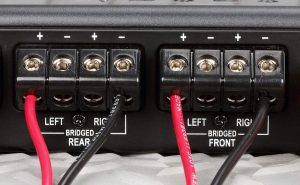
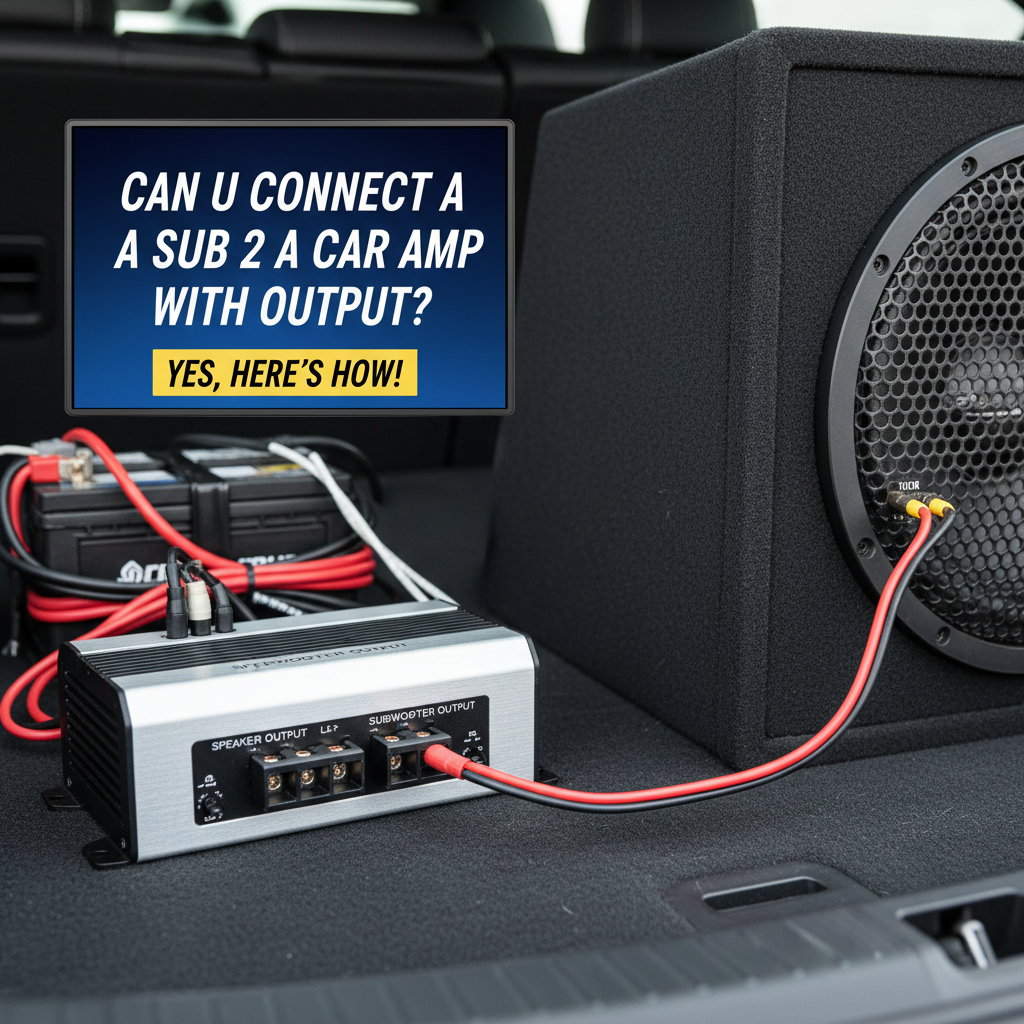
Connecting a subwoofer to a car amplifier that only has speaker outputs is a common challenge many car audio enthusiasts face. Whether you’re upgrading an older system or working with budget equipment, this connection method can deliver impressive bass performance when done correctly.
Yes, you can connect a subwoofer to a car amp with speaker outputs using a line output converter (LOC) or by connecting directly to the amp’s speaker terminals. The LOC method converts speaker-level signals to line-level signals that subwoofers can use, while direct connection requires matching impedance levels carefully to avoid damage.
Contents
- Understanding Speaker Outputs vs. Line Outputs
- Method 1: Using a Line Output Converter for connecting a sub 2 a car amp with output (Recommended)
- Method 2: Direct Speaker Wire Connection to connect a sub 2 a car amp with output
- Impedance Considerations
- Power Matching and Signal Quality
- Troubleshooting Common Issues
- Alternative Solutions
- Safety Precautions
- FAQ
- Conclusion
Understanding Speaker Outputs vs. Line Outputs
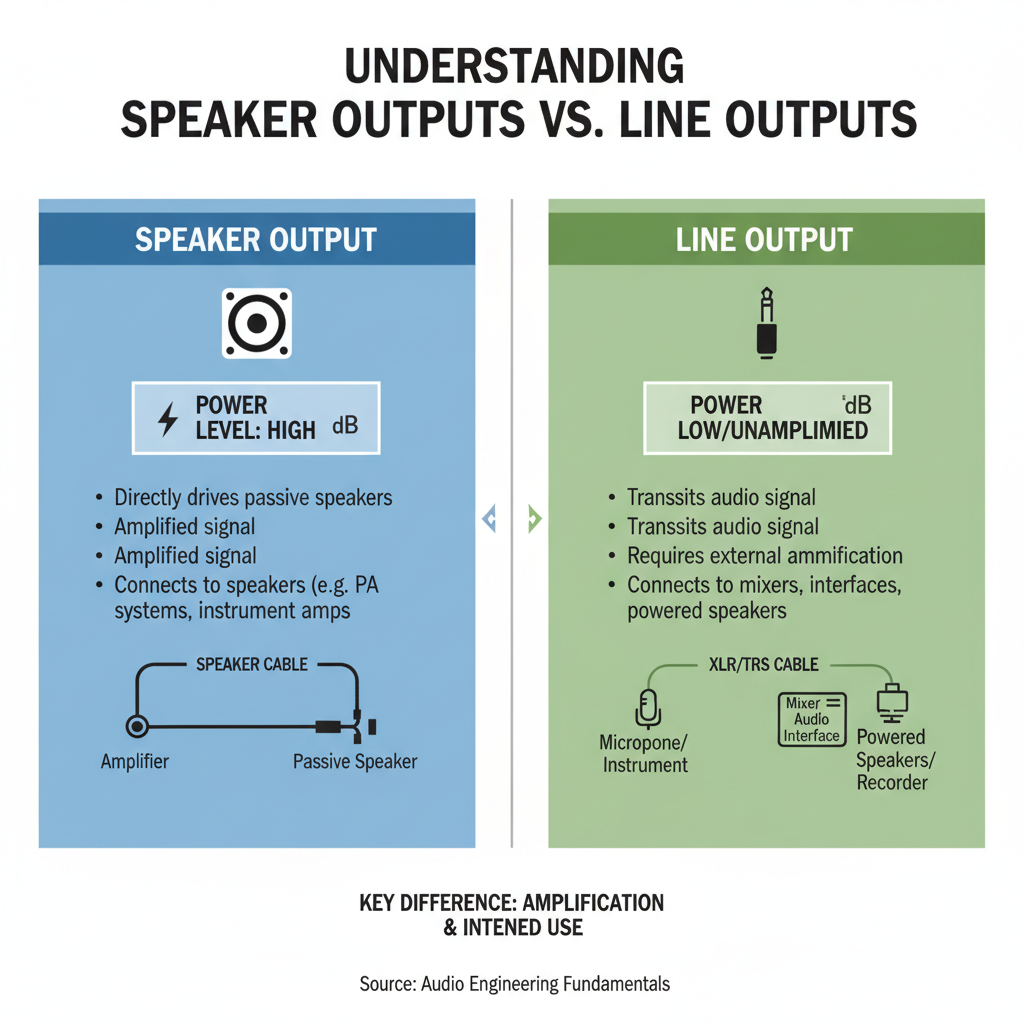
Car amplifiers typically feature two types of outputs: speaker outputs and line outputs (RCA). Speaker outputs deliver amplified signals at higher voltage levels, while line outputs provide low-level signals designed for connecting to other amplifiers.
Most subwoofers expect line-level inputs, which creates the connection challenge. However, several proven methods can bridge this gap effectively.
Method 1: Using a Line Output Converter for connecting a sub 2 a car amp with output (Recommended)
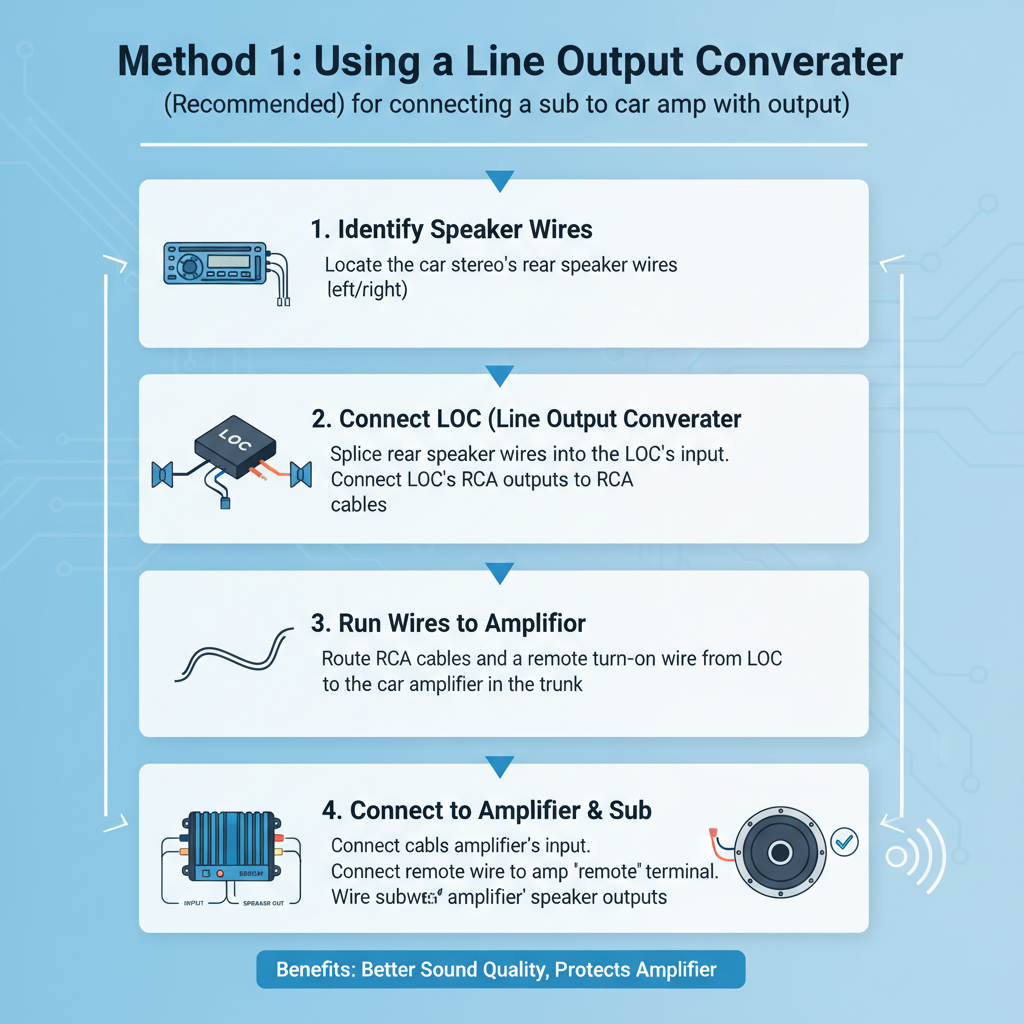
A line output converter is the safest and most effective way to connect your subwoofer to an amp with only speaker outputs.
How Line Output Converters Work
LOCs take the high-level speaker signals from your amplifier and convert them to low-level RCA outputs that subwoofers can accept. This conversion maintains signal quality while protecting your equipment.
Installation Steps
1. Locate the speaker output terminals on your car amplifier
2. Connect the LOC input wires to the positive and negative speaker terminals
3. Run RCA cables from the LOC outputs to your subwoofer’s input
4. Connect the remote wire from the LOC to your subwoofer’s remote terminal
5. Adjust the LOC gain to match your subwoofer’s input sensitivity
Popular LOC models like the AudioControl LC2i and PAC LP3-2 offer additional features like bass restoration and adjustable gain control.
Method 2: Direct Speaker Wire Connection to connect a sub 2 a car amp with output
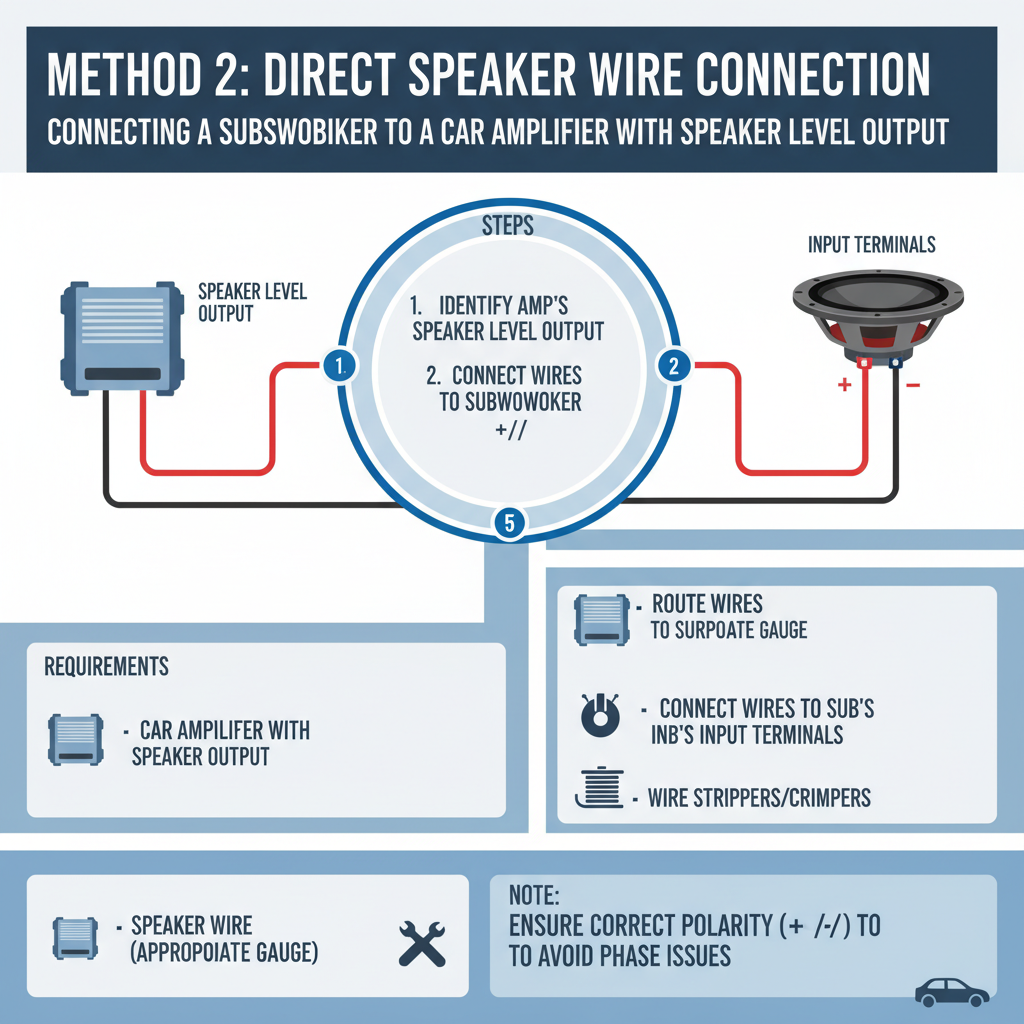
Some powered subwoofers accept speaker-level inputs directly, eliminating the need for a converter.
When This Method Works
This approach works when:
– Your subwoofer has speaker-level inputs
– The impedance levels are compatible
– The power ratings align properly
Connection Process
1. Check your subwoofer’s manual for speaker-level input compatibility
2. Run speaker wire from your amp’s output terminals to the subwoofer
3. Connect positive to positive and negative to negative
4. Verify impedance matching to prevent damage
Impedance Considerations
Impedance matching is crucial when connecting subwoofers to speaker outputs.
Understanding Impedance Load
Adding a subwoofer to speaker outputs increases the total impedance load on your amplifier. Most car amps can handle 2-4 ohm loads, but adding additional speakers can drop the total impedance below safe levels.
Safe Connection Practices
– Calculate total impedance before making connections
– Use impedance matching devices if necessary
– Monitor amplifier temperature during initial testing
– Check manufacturer specifications for minimum impedance ratings
Power Matching and Signal Quality
Proper power matching ensures optimal performance and prevents equipment damage.
Power Rating Guidelines
Your amplifier’s output power should complement your subwoofer’s power handling capacity. Overpowering can damage the subwoofer, while underpowering can cause distortion and clipping.
Signal Quality Factors
– Keep wire runs short to minimize signal loss
– Use quality cables for better signal transmission
– Avoid running power and signal cables together to prevent interference
– Ground all components properly to eliminate noise
Troubleshooting Common Issues
No Sound from Subwoofer
Check these common causes:
– Loose connections at amplifier or subwoofer terminals
– Blown fuses in the power supply chain
– Incorrect polarity on speaker wire connections
– Gain settings set too low on the subwoofer
Distorted or Weak Bass
Address these potential problems:
– Impedance mismatch between components
– Insufficient power from the source amplifier
– Poor ground connections causing signal interference
– Crossover settings filtering out desired frequencies
Amplifier Overheating
Prevent overheating with these steps:
– Verify impedance calculations are correct
– Improve ventilation around the amplifier
– Reduce gain settings if driving the amp too hard
– Check for short circuits in the wiring
Alternative Solutions
Adding a Dedicated Subwoofer Amplifier
Installing a separate subwoofer amplifier often provides better results than connecting directly to speaker outputs. This approach offers:
– Dedicated power for the subwoofer
– Independent tuning controls for bass response
– Reduced load on your main amplifier
– Better overall system performance
Models like the Rockford Fosgate R500X1D and Alpine MRV-M500 are popular choices for dedicated subwoofer amplification.
Upgrading Your Main Amplifier
Consider upgrading to an amplifier with built-in line outputs or subwoofer outputs. Modern amplifiers often include:
– Multiple output options for flexibility
– Built-in crossovers for frequency management
– Remote bass controls for easy adjustment
– Better power efficiency and thermal management
Safety Precautions
Electrical Safety
– Disconnect the battery before making any connections
– Use proper fuses rated for your system’s current draw
– Secure all wiring to prevent chafing or damage
– Follow manufacturer guidelines for all components
Equipment Protection
– Start with low gain settings and adjust gradually
– Monitor for overheating during initial testing
– Use quality components to ensure reliable operation
– Keep spare fuses available for quick replacement
FAQ
Can I connect multiple subwoofers to one amp’s speaker outputs?
Yes, but you must carefully calculate the total impedance load to ensure it stays within your amplifier’s safe operating range. Use parallel or series wiring as needed to maintain proper impedance levels.
Will using speaker outputs reduce sound quality compared to line outputs?
When done properly with a quality line output converter, the sound quality difference is minimal. However, direct speaker-level connections may introduce slight noise or interference compared to dedicated line outputs.
What’s the maximum power I can safely draw from speaker outputs?
This depends on your amplifier’s specifications. Never exceed the amp’s rated output power, and always account for the total impedance load when connecting additional speakers or subwoofers.
Do I need a special type of wire for these connections?
Use the same gauge speaker wire you’d use for regular speakers, sized according to the power levels and distance involved. For LOC connections, standard RCA cables work fine for the line-level portion.
Can this setup damage my car’s electrical system?
When installed correctly with proper fusing and grounding, this setup poses no risk to your vehicle’s electrical system. Always use appropriate fuses and follow safe installation practices.
How do I adjust the bass levels with this setup?
If using a powered subwoofer, adjust its built-in gain and crossover controls. With a line output converter, use the LOC’s gain adjustment in combination with your subwoofer’s controls for optimal balance.
What if my amplifier gets too hot after adding a subwoofer?
Overheating usually indicates an impedance mismatch or excessive power draw. Check your impedance calculations, improve ventilation, and consider using a dedicated subwoofer amplifier to reduce the load on your main amp.
Conclusion
Connecting a subwoofer to a car amp with speaker outputs is definitely possible using either a line output converter or direct speaker-level connections. The LOC method offers the best combination of safety, flexibility, and sound quality for most installations.
Remember to prioritize impedance matching and proper power calculations to protect your equipment. While these connection methods can deliver excellent results, consider upgrading to dedicated subwoofer amplification for the ultimate bass performance and system reliability.
Take your time with the installation, follow safety precautions, and don’t hesitate to consult