As an Amazon Associate & Influencer, we earn from qualifying purchases you might make if you click any of the links or buttons on this page at no expense to you.
By the end, you will know several backup plans. You will know which plan fits your car. You will also learn safety tips and what to do after the engine runs again. Let’s get you moving.

Quick ways to start a car without jumper cables
There are a few proven methods for how to start car battery without jumper cables. Some work only on manual transmissions. Some work on any car. Pick the method that matches your car and your tools.

- Push-start (also called bump start or roll start). Works on most manual cars. It does not work on automatics.
- Use a portable jump starter (jump pack). Works on most cars and trucks. It is the best choice for automatics.
- Swap in a charged battery. Use a new or known-good 12-volt battery to start. This needs basic tools.
- Tow-start a manual car with a strap or rope. This is like a push-start, but with a tow. It needs space and care.
If none of these fit, call roadside assistance. It is safer than risky tricks. It can also save time and money.
Safety first: Confirm the battery is the problem
A dead battery is common. But it is not the only reason a car will not start. Check a few signs before you act. This helps you pick the right fix.

Look for these dead battery symptoms:
- The dash lights are dim or flicker when you turn the key.
- You hear one click or rapid clicks from the starter.
- The interior lights go out when you try to crank.
- The horn and power windows are weak or do not work.
Check these quick items:
- Is the car in Park (P) or Neutral (N)? An automatic will not crank in Drive.
- For a push-button start, step on the brake fully. For manual cars, press the clutch fully.
- Try a second key or hold the key fob to the start button. A weak fob battery can block the start.
- Check the battery terminals. Are the clamps tight? Is there white or green crust? Corrosion can stop current flow. Wiggle the clamps. If loose, tighten with a wrench. If dirty, clean with a small brush if you have one (wear gloves).
If the lights are bright and nothing happens, the starter or ignition switch may be bad. If the engine cranks fast but does not start, it may be a fuel or spark problem. In those cases, the methods below may not help.
Method 1: Push-start (bump start) a manual car
A push-start uses momentum to turn the engine. It works when the battery is low but not totally dead. It does not work on automatic transmissions. You need flat space or a slight hill. You also need one or two helpers to push.
Safety first:
- Only try on a safe road or empty lot.
- Avoid traffic, steep hills, and wet roads.
- Wear a seat belt. Release the parking brake only when ready.
- Use hazard lights so others see you.
What you need:
- A manual transmission car.
- One helper if possible. Two is better.
- A flat area or slight downhill.
Steps to push-start:
- Turn the key to On. Do not crank yet. Make sure the steering wheel is unlocked. Turn off lights, AC, and radio.
- Press the clutch pedal to the floor. Shift into second gear. Second is smoother than first for a bump start.
- Release the parking brake. Ask your helpers to push. If on a hill, let the car roll.
- When you reach about 5 to 10 mph (8 to 16 km/h), release the clutch quickly. At the same time, press the gas pedal a little.
- The engine should catch. If it does, press the clutch again right away to avoid a jerk and keep it running. Gently add throttle to stabilize idle.
- Drive for at least 20 to 30 minutes to charge the battery. Do not shut off the engine until you are parked in a safe place.
Hill-start tip:
- On a gentle slope, you can do this alone. Follow the same steps. Roll down the hill, then pop the clutch in second gear.
If it does not catch:
- Try again at a slightly higher speed. Use second gear still. If still no luck, the battery may be too dead. Or there may be a different issue.
When not to push-start:
- Do not push-start on a crowded road.
- Do not try on ice, wet grass, or gravel.
- Do not try if you hear odd grinding sounds. That could be a mechanical fault.
- Do not push-start catalytic converter-equipped cars with unburned fuel issues often (rare). It can flood the cat. One or two tries is fine, but do not keep trying many times.
Common mistakes:
- Using first gear. It often causes a lurch or skid. Second gear is more gentle.
- Letting the clutch out too early or too slow. Release it quickly at speed.
- Not turning the key to On. The ignition must be on to start.
Method 2: Use a portable jump starter (jump pack)
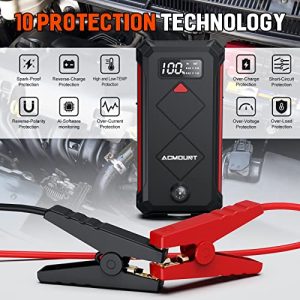
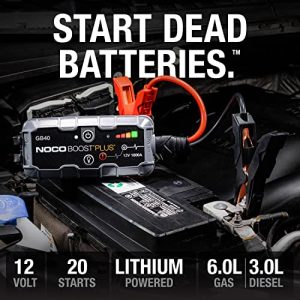
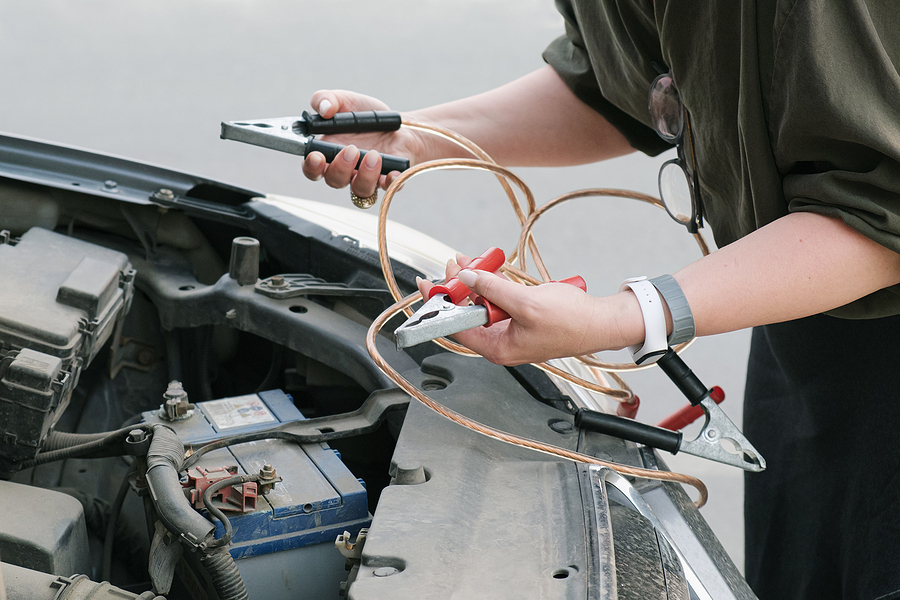
A portable jump starter is a small battery pack. It delivers high current for a short time. It lets you start a car with a dead battery without jumper cables or another car. It is one of the best answers for how to start car battery without jumper cables. Keep one in your trunk for emergencies.
Why it works:
- It provides the extra amps your starter needs.
- It handles both gas and diesel engines if sized right.
- It is safer than a push-start or tow-start.
What you need:
- A charged portable jump starter that matches your engine size.
- Safety glasses and gloves if you have them.
Steps to use a jump pack:
- Turn off all accessories. Lights, blower, and radio should be off.
- Put the car in Park (auto) or Neutral (manual). Engage the parking brake.
- Open the hood. Find the battery. Locate the positive (+) and negative (-) terminals. If your car has remote jump posts, use those instead.
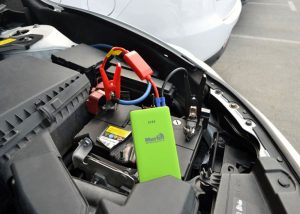
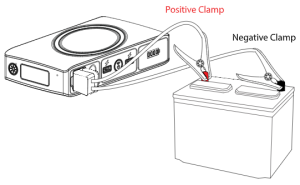
- Connect the red clamp to the positive (+) terminal or post.
- Connect the black clamp to a bare metal ground on the engine or chassis. Use a clean, unpainted bolt or bracket. Avoid the negative battery post if the maker says so. This reduces spark risk near the battery.
- Turn on the jump pack. Wait for any ready light.
- Try to start the car. Crank for no more than 3 to 5 seconds. If it does not start, wait 30 seconds and try again.
- Once the engine runs, remove the black clamp first. Then remove the red clamp. Turn off and recharge the jump pack as soon as you can.
- Let the engine idle for a few minutes. Then drive for 20 to 30 minutes to help recharge the battery.
Tips:
- Read your jump pack manual. Some have a safety mode or override for very low batteries.
- Do not let the clamps touch each other.
- Keep your face away from the battery. Rarely, batteries can vent gas.
- Use a jump pack with enough peak amps for your engine. Bigger engines and diesels need more current.
Avoid these:
- Cigarette lighter “jump” devices. The 12-volt socket is fused and cannot carry starter current. These will not start the engine.
- Cheap cables or tiny clamp wires on packs. They may overheat.
Method 3: Swap in a charged battery
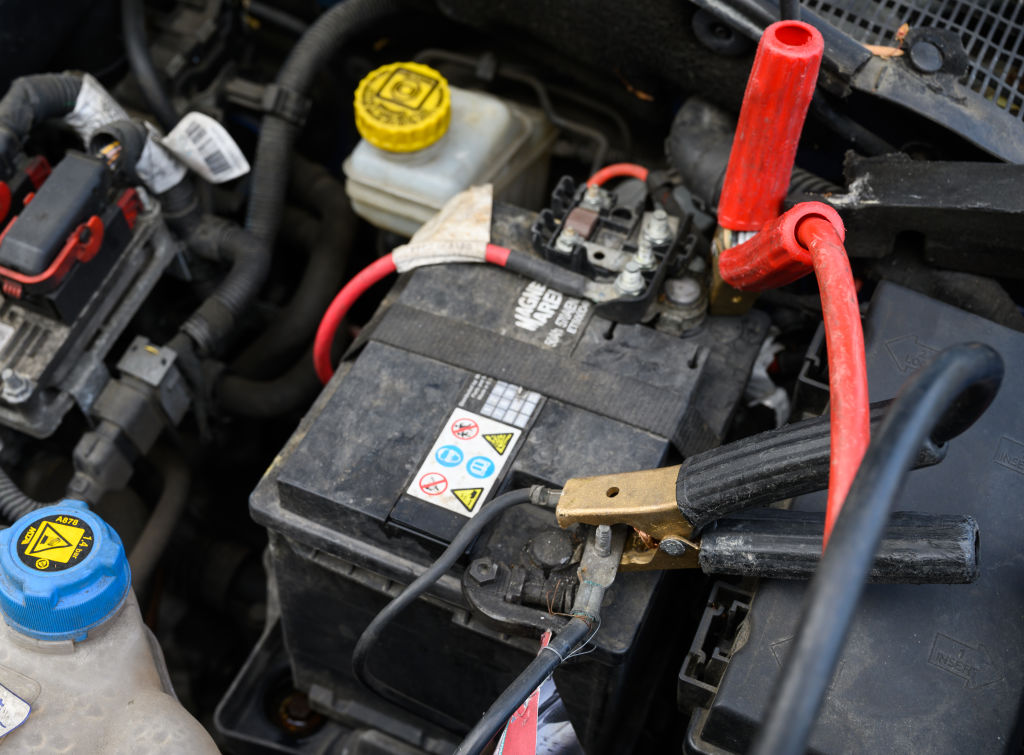
If you cannot push-start and do not have a jump pack, you can install a charged battery. This method is simple. It needs basic tools and a bit of care. It is a solid way to start a car with a dead battery no cables used.
What you need:
- A charged 12-volt battery of the correct size or similar.
- A wrench or socket set (often 10 mm).
- Gloves and safety glasses.
Steps:
- Turn everything off. Remove the key. Open the hood.
- Note any radio codes or settings you might lose. Some cars reset when power is cut. If you have an OBD2 memory saver, you can use it. But it will not start the car. It only saves settings.
- Disconnect the negative (-) battery cable first. Then disconnect the positive (+).
- Remove any battery hold-down clamp. Lift the dead battery out with care. It is heavy.
- Place the charged battery in the tray. Ensure the posts match the car’s cable positions.
- Install the hold-down clamp. It should be snug so the battery does not move.
- Connect the positive (+) cable first. Then connect the negative (-) cable.
- Try to start the engine. It should crank strong. If it starts, let it idle and check for warning lights.
- Drive for at least 20 to 30 minutes to let the alternator top up the battery.
Important:
- Do not remove the battery while the engine is running to “swap back.” This can damage the alternator and electronics. Voltage may spike. If you must return the borrowed battery later, shut the car off first. Then swap again in a safe place.
- Ensure clean, tight terminals. Loose clamps can cut power and stop the engine.
Method 4: Tow-start a manual car with a strap or rope
A tow-start is like a push-start, but a second car pulls you. This can be useful on flat roads when there are not enough people to push. This only works on manual transmissions. It requires safe space and clear signals between drivers.
Safety rules:
- Use a rated tow strap or rope. Check its working load.
- Attach only to safe tow points. Use the factory tow eye or a frame hook. Never attach to a plastic bumper or a thin bracket.
- Keep the strap short but not too tight. Leave room for braking.
- Use hazard lights. Avoid traffic. Choose a straight, flat road.
Steps:
- Driver in the tow car slowly takes up slack and moves at walking pace.
- Driver in the dead car sets ignition to On. Press the clutch. Shift to second gear.
- When rolling at 5 to 10 mph, the dead car driver releases the clutch quickly and adds a little gas.
- When the engine starts, press the clutch to avoid a jerk. Signal the tow car to slow. The dead car driver should keep the engine running.
- Move to a safe spot. Unhook the strap. Drive to charge the battery.
Warnings:
- This method takes skill. Use hand signals or phones to coordinate.
- Do not tow fast. Keep it slow and controlled.
- Check local laws. Towing by rope may be illegal on public roads in some areas. Use a parking lot if you can.
Automatics: What to do when you cannot push-start
You cannot push-start most automatic cars. The torque converter blocks the wheels from turning the engine. For automatics, the best ways for how to start car battery without jumper cables are a jump pack or a battery swap.
Your options:
- Use a portable jump starter. This is the fastest, safest option.
- Install a charged battery. Borrow one or use a new one.
- Call roadside assistance or a mobile battery service. Many can replace the battery on the spot.
If you have a mild hybrid or start-stop system, follow the owner’s manual. Some cars use an AGM or EFB battery. They may have special charging needs. A jump pack still works, but confirm the connection points.
Avoid these myths for automatics:
- Push-starting an automatic. It will not work and can be unsafe.
- Rolling down a hill and shifting into gear. This can damage the transmission.
Quick checks before you try to start without cables
A few checks can save time. They can also keep you from getting stuck again. These steps are fast and simple.
- Look for a dome light left on. Check trunk and glove box lights too.
- Turn the headlight switch off. Switch to Auto only if your sensor works well.
- Inspect battery terminals. Clean and tighten if needed.
- Try Neutral. Sometimes a worn Park/Neutral switch blocks the start in Park. Shift to Neutral and try again while pressing the brake.
- Try a second key fob. Or hold the fob to the start button. Swap the fob battery if needed.
- Listen for the fuel pump whirr when the key is On. If you hear nothing and lights are bright, the issue may not be the battery.
If the battery is more than 4 to 5 years old, it may be at the end of its life. Older batteries can fail without warning. A simple test at a parts store can confirm this.
After you get it started: Charge and diagnose
Congrats. Your engine runs again. Now you need to charge the battery and check the charging system. This makes sure you will start next time.
What to do first:
- Let the engine idle 5 minutes. Then drive for 20 to 30 minutes. Highway is best. Turn off non-essential loads.
- Do not cycle the engine off and on during short stops. Park where a tow or jump is easy if you must stop.
Check battery voltage (optional but helpful):
- With the engine off, a healthy, charged battery reads about 12.6 volts.
- With the engine running, the alternator should show about 13.8 to 14.7 volts at the battery.
- If running voltage is low, the alternator may be weak. If it is too high, the regulator may be bad.
Signs of a deeper issue:
- The battery dies again soon after the drive. You may have a parasitic drain. Common culprits are glove box lights, dash cams, or a stuck relay.
- You smell rotten eggs (sulfur) near the battery. Stop and have it checked. That can signal overcharging.
- The battery case is swollen. Replace it now. It is unsafe.
Next steps:
- Test the battery at a parts store. Many do it free.
- If it fails, replace it with the correct type and size. Newer cars often need battery registration with a scan tool.
- If the battery passes but dies again, test the alternator and check for drains.
Prevention: How to avoid a dead battery
You can lower the chance of a dead car battery. Simple habits and small tools help. These tips keep you from needing to learn how to start car battery without jumper cables the hard way.
Easy habits:
- Turn off lights and unplug chargers when you park.
- Close doors and trunk fully so lights turn off.
- Drive your car often. Short trips do not fully recharge the battery.
- If you store the car, use a smart trickle charger (battery maintainer).
Smart gear to carry:
- A quality portable jump starter. Pick one with enough peak amps for your engine.
- A small socket set and gloves. You can tighten terminals or swap a battery.
- A compact flashlight. It helps at night or in bad weather.
Maintenance tips:
- Clean battery terminals every 6 to 12 months. Use a wire brush and baking soda solution if needed. Rinse and dry.
- Check the battery hold-down. A loose battery can get damaged by vibration.
- Replace the battery before it fails if it is older than 4 to 5 years, or sooner in very hot or very cold climates.
- Have the charging system tested once a year, especially before winter.
Is it really the battery? Quick diagnosis guide
Sometimes the root cause is not the battery. Use this quick chart in your head to guide you. It can point you to the right fix fast.
- Single loud click, lights dim: Battery is weak or connections are loose.
- Rapid clicking, dash flickers: Battery is very weak. Try a jump pack or battery swap.
- No crank at all, lights bright: Starter, relay, or neutral safety switch may be bad.
- Cranks strong, no start: Fuel or spark issue. Battery may be fine.
- Security light flashing: Immobilizer or key fob issue. Try a spare key or hold the fob to the button.
If you suspect the starter:
- Tap the starter lightly with a tool while someone tries to crank. This can wake a stuck starter. Do this only if you can reach it safely. It is a short-term trick.
If you suspect the gear selector:
- Wiggle the shifter while turning the key. Try Neutral. A bad range sensor may block the start in Park.
If you suspect the immobilizer:
- Use the key blade in the door to lock and unlock. Then try again. Replace the fob battery if weak.
Common myths about starting without jumper cables
There are many myths around how to start car battery without jumper cables. Some are harmless. Some can cause damage. Here are a few to avoid.
- Myth: Push-start any car. Fact: Push-start works only on most manual cars. Automatics cannot be push-started.
- Myth: Use the cigarette lighter to jump. Fact: The 12-volt socket cannot carry starter current. It is fused and too small.
- Myth: Disconnect the battery with the engine running. Fact: This can fry electronics due to voltage spikes.
- Myth: Use WD-40 or water as a battery fix. Fact: They do not restore charge. Clean clamps and charge the battery instead.
- Myth: A car will recharge a dead battery in a few minutes of idling. Fact: It takes time and driving. A very low battery may need hours at proper voltage or a charger.
Tools and gear checklist for emergency starts
A small kit makes you ready for many roadside issues. It also helps you avoid calling a tow for a simple battery problem.
Keep these in your trunk:
- Portable jump starter (charged)
- Work gloves and safety glasses
- 10 mm wrench or socket (common for battery clamps)
- Small wire brush or battery terminal brush
- Tow strap (for manual cars, in safe areas only)
- Flashlight or headlamp
- Paper towels or shop rags
- Tire pressure gauge (not battery related, but useful)
- Reflective triangle or flares for safety
Charge your jump pack every 3 months. Cold weather lowers battery performance. Keep the pack warm if possible in winter.
Long-term fixes if your battery keeps dying
If your car often needs a boost, there is a deeper issue. Fixing it now saves time and avoids getting stranded.
Possible causes:
- Old battery near end of life
- Weak alternator or bad voltage regulator
- Parasitic drain from a device or module
- Loose or corroded battery cables
- High resistance in ground straps
What to do:
- Test the battery and alternator. Replace as needed.
- Check parasitic draw with a meter. A normal draw is often under 50 mA after modules go to sleep. A higher draw can drain a battery overnight.
- Inspect and clean grounds. Replace brittle cables.
- Update software if your car has known battery drain issues. Some models have TSBs (technical service bulletins).
- If you use dash cams or trackers, hardwire with a low-voltage cutoff. This protects the battery.
When to see a pro:
- If your car dies while driving. That can be an alternator failure.
- If you smell sulfur or see battery swelling.
- If warning lights like battery or charging icons stay on.
FAQ: Answers to common questions
Can I start a car with a dead battery without jumper cables or a jump pack?
- If it is a manual car, you can push-start or tow-start it. For automatics, you need a jump pack or a charged battery swap.
How do I push-start a car by myself?
- Park on a safe downhill. Turn the key to On. Press the clutch and shift to second. Release the parking brake. Let it roll to 5 to 10 mph. Pop the clutch and add a bit of gas. Press the clutch again once it catches.
Is push-starting bad for the car?
- It is generally safe if done smoothly and rarely. Do not do it often. Fix the battery or charging issue soon.
Will a portable jump starter work on a big SUV or diesel?
- Yes, if the pack is sized for your engine. Check the peak and cranking amps rating. Bigger engines need more current.
Can I jump a car from the 12V outlet?
- No. The outlet cannot deliver starter current. Use a proper jump pack with clamps.
Is it safe to remove the battery while the engine runs?
- No. This can damage electronics. Always shut the engine off before removing the battery.
How long should I drive after a jump or push-start?
- Drive 20 to 30 minutes at least. A longer drive is better. A near-dead battery may need a slow charger to fully recover.
Why does my car click but not start?
- That click is the starter solenoid. It often means the battery is weak or the terminals are loose. Clean and tighten the clamps. Then try a jump pack or battery swap.
Can I push-start in first gear?
- You can, but second gear is smoother. First gear may cause a harsh lurch or skid.
Does cold weather kill batteries?
- Cold slows chemical reactions. It cuts a battery’s cranking power. Old or weak batteries often fail first on cold mornings.
Conclusion
You now know several ways to get back on the road when your battery lets you down. The best options for how to start car battery without jumper cables are push-starting a manual car, using a portable jump starter, swapping in a charged battery, or tow-starting a manual with care. Automatics cannot be push-started, so a jump pack or a battery swap is the right move.
Always check safety first. Confirm the car is in Park or Neutral. Make sure the ignition is on. Tighten and clean the battery terminals. Try a second key fob if needed. After you start the engine, drive long enough to add charge. Then test the battery and charging system. Fix the root cause so you do not get stranded again.
Carry a small kit in your trunk. A jump pack, a wrench, gloves, and a light can save the day. With these tips and tools, you can handle a dead car battery with calm and confidence, even when jumper cables are not around.