
As an Amazon Associate & Influencer, we earn from qualifying purchases you might make if you click any of the links or buttons on this page at no expense to you.

Tools and Setup You Need Before You Jump-Start a Car
You can jump a dead battery with a few basic tools and a bit of care. Gather everything first so the process is smooth and safe. This step keeps stress low and reduces mistakes, which prevents damage to your car’s electrical system.

- A set of heavy-duty jumper cables with thick gauge (4-gauge is strong and common)
- A donor vehicle with a healthy 12-volt battery (or a portable jump starter)
- Safety glasses and gloves (optional but smart)
- Owner’s manual for both cars (helpful for battery location and special rules)
- A clean metal surface for grounding (if the negative post is hard to reach)
- A flashlight if you are jump starting at night
- Phone and roadside assistance number, just in case
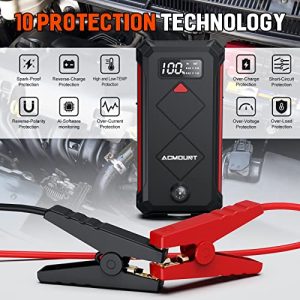
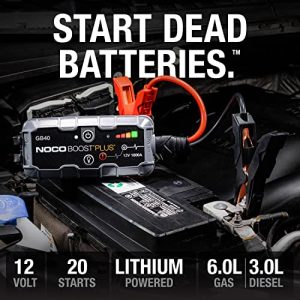
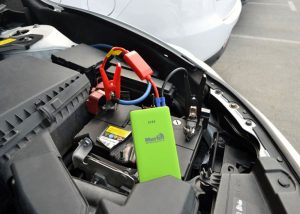
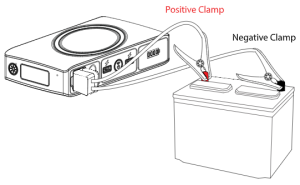
Pro tip: If you have a portable jump starter, you do not need a second car. The steps are similar. You still connect positive to positive and negative to a solid ground on the car with the dead battery.
Safety First: Rules for Using Jumper Cables Without Risk
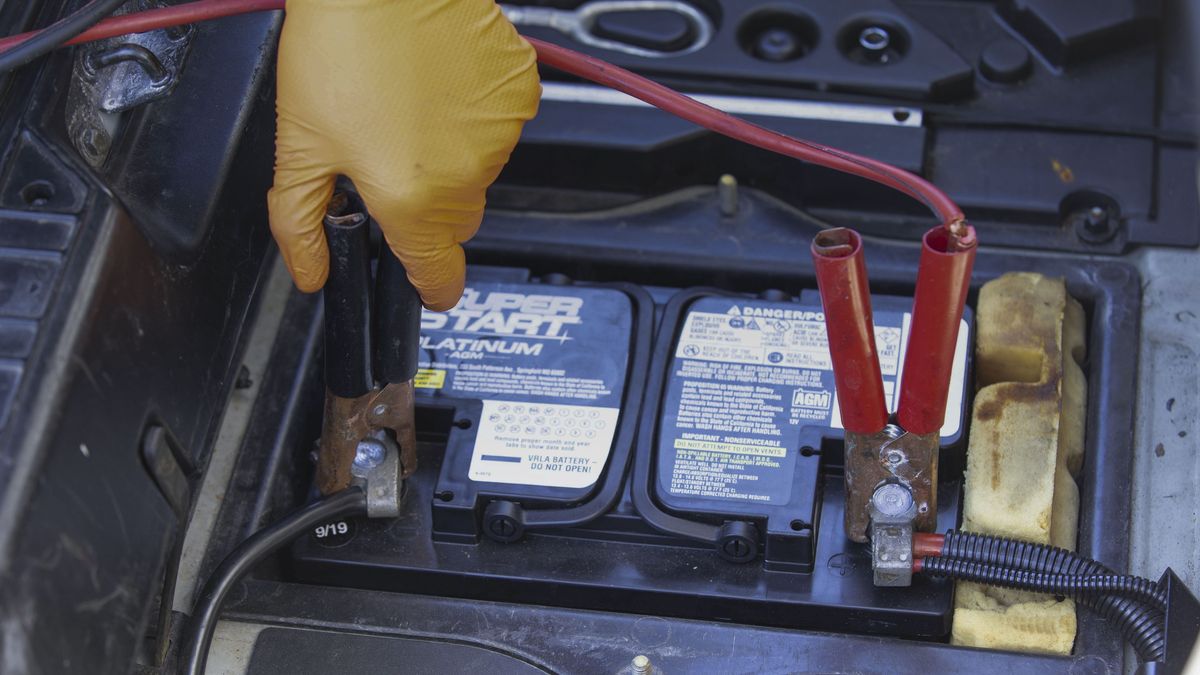
Car batteries store a lot of energy. They also give off hydrogen gas. If you make a spark near the battery, it can ignite. Follow these safety rules to avoid injury or damage. They will help you jump start a car battery the right way, every time.
- Read both owner’s manuals. Some cars have special jump-start points.
- Wear eye protection. Avoid leaning over the battery.
- Turn off both vehicles. Remove keys or keep them out of the ignition until told.
- Put both cars in Park (automatic) or Neutral (manual) with parking brakes on.
- Keep metal tools and jewelry away from battery terminals.
- Never let the jumper cable clamps touch each other when connected to a battery.
- Do not connect the final negative clamp to the dead battery’s negative post. Use a clean, unpainted metal part on the engine block or chassis as your ground. This reduces the risk of sparks near the battery.
- Watch polarity. Red is positive (+). Black is negative (−). Wrong order can fry electronics.
- Do not jump-start a leaking, cracked, or swollen battery. Call a tow or replace the battery.
Step-by-Step: How to Start Car Battery with Jumper Cables
We will use clear steps to connect the cables and start your car. This is the safe, proven method for most modern vehicles with a 12-volt system. Follow each step in order. Move slow and steady.

Step 1: Park and Prepare Both Vehicles
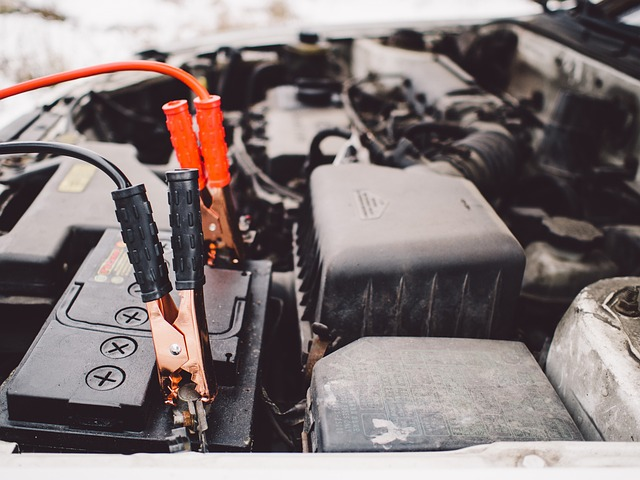
Park the donor car near the disabled car. The jumper cables must reach both batteries, but the cars should not touch. Shut both cars off. Set parking brakes. Turn off lights, radio, and climate control. Open hoods and find the batteries or the jump posts.
- Place the cars nose-to-nose if possible.
- Keep at least a couple of feet between bumpers.
- Confirm both vehicles use a 12-volt battery. Most gas and diesel cars do.
- If your battery is under a seat or in the trunk, look for jump-start posts under the hood.
Step 2: Identify Positive and Negative Terminals
Look for the positive (+) and negative (−) signs. The positive post is often red or covered by a red cap. The negative post is often black and connects to the car body or engine. Clean any green or white corrosion with a dry cloth or a brush if needed.
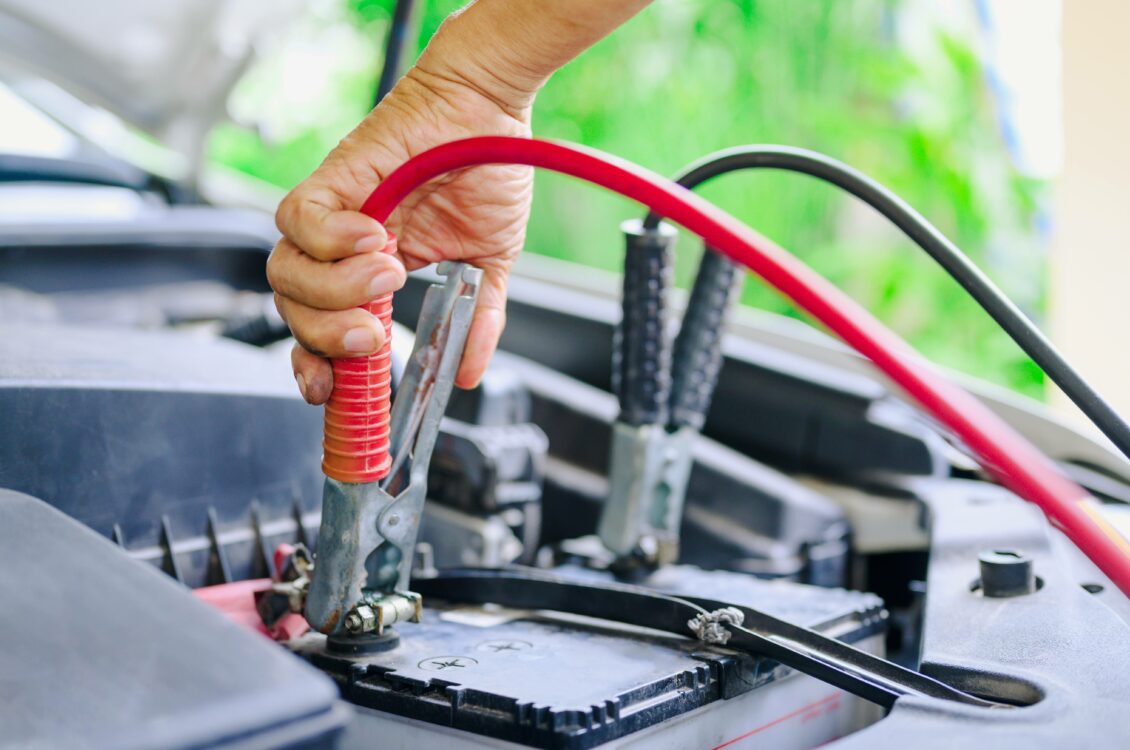
- Do not touch the terminals with bare hands if they are corroded or wet.
- If terminals are loose, tighten them before trying to jump.
Step 3: Connect the Jumper Cables in the Right Order
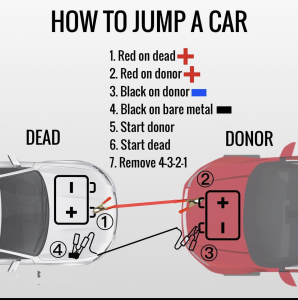
Get your jumper cables ready. Hold the clamps so they do not touch each other. Attach them in this exact sequence. This order reduces sparks and protects your electrical system.
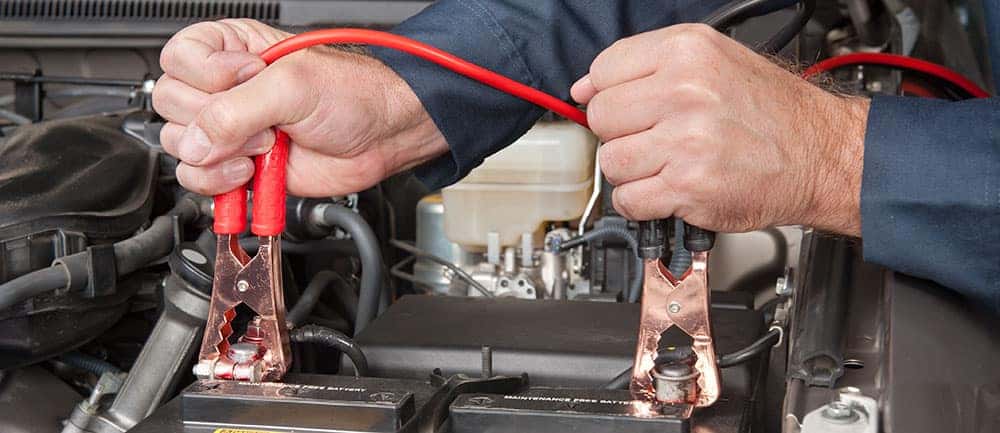
- Red clamp to the dead battery’s positive (+) terminal.
- Red clamp to the donor battery’s positive (+) terminal.
- Black clamp to the donor battery’s negative (−) terminal.
- Black clamp to an unpainted metal ground on the engine block or chassis of the car with the dead battery. Do not use the negative terminal of the dead battery.
Tip: A solid metal bracket, a thick bolt on the engine, or a dedicated ground stud works well. Avoid moving parts, belts, and the alternator case.
Step 4: Start the Donor Vehicle and Let It Idle
Start the donor car now. Let it idle for 2 to 5 minutes. This gives the dead battery some surface charge. Keep electrical loads off in both cars. Do not rev the engine hard. A gentle idle is enough for most situations.
- If it is very cold, you may idle for 5 to 10 minutes.
- If your cables are thin, give it more time to transfer charge.
Step 5: Try to Start the Car with the Dead Battery
Turn the key of the car with the dead battery to Start. If it cranks and starts, great. If it does not crank, wait a few minutes and try again. Do not crank for more than 10 seconds at a time. Let the starter cool for 30 to 60 seconds between tries.
- If the engine starts, keep it running.
- If it does not start after several tries, move to the troubleshooting section below.
Step 6: Remove the Jumper Cables in Reverse Order
Once the dead car starts, you need to remove the cables. Do it in reverse order. Do not let clamps touch metal surfaces or each other while removing them.
- Remove the black clamp from the previously dead car’s ground point.
- Remove the black clamp from the donor battery’s negative (−) terminal.
- Remove the red clamp from the donor battery’s positive (+) terminal.
- Remove the red clamp from the previously dead battery’s positive (+) terminal.
Tip: Keep the engines running the whole time. Avoid sudden yanks on the cables.
Step 7: Let the Engine Run and Recharge the Battery
After a successful jump, keep the revived car engine running for at least 20 to 30 minutes. A longer drive is better. This lets the alternator recharge the battery. Avoid heavy electrical loads right away, like heated seats or high fan speeds.
- If possible, drive at highway speed for 20+ minutes.
- If the battery is old, consider replacing it soon.
Special Cases and Variations: What Changes and Why
Some cars do not have easy-to-reach batteries. Others use special battery types or systems. In these cases, the basic ideas stay the same, but details change. Here are common twist scenarios and how to handle them.
If Your Car Has Remote Jump Posts
Many modern cars hide the battery in the trunk or under a seat. They provide remote jump points under the hood. Use those posts. They are designed to handle the current safely.
- Look for a red plastic cover for the positive post.
- The ground post is often a clean metal stud or marked with a ground symbol.
- Follow the same order of connection as above.
Trunk or Under-Seat Battery Access
When the battery is far from the engine, cables can be long. Voltage drop can slow charging. Use the built-in posts if your car has them. If not, make sure cable clamps grip tight and clean.
- Clean metal is key. Scrape light corrosion with a wire brush.
- Avoid stretching cables over sharp edges.
Manual vs. Automatic Transmission
Both types use the same jump procedure. The difference is safety. Put a manual car in Neutral and set the parking brake. Automatics go in Park. Keep feet off pedals while connecting cables.
- If the car rolls, chock wheels with a block or a rock.
- Never attempt to push-start a car with an automatic transmission.
Hybrid and Electric Vehicles (Important Caution)
Do not jump-start an EV’s high-voltage system. For most EVs, you can jump the 12-volt accessory battery only, and often the manual provides special points and rules. Many hybrids can be jump-started at the 12-volt system, but use the owner’s manual. Wrong steps can damage costly electronics.
- Never open orange high-voltage covers.
- Follow the manual’s jump-start section exactly.
- If unsure, call roadside assistance.
Stop-Start and AGM/EFB Batteries
Cars with start-stop systems often use AGM or EFB batteries. These batteries are sensitive to overcharging and heat. You can still jump-start them with standard cables, but connect only to the recommended posts. Avoid sparking near the battery.
- AGM batteries like a careful charge profile.
- After a jump, recharge fully with a smart charger if possible.
Diesel Engines Need More Current
Diesel engines often need more cranking current. Use thick, quality cables. Give more time for the donor vehicle to idle and charge the dead battery before you try to start.
- Strong donor vehicle is best (truck or SUV).
- Try a 5–10 minute pre-charge before the first crank.
Very Cold Weather Jump-Starts
Cold slows chemical reactions inside the battery. Expect slower cranking. Use a higher amp portable jump box if you have one. Clean the posts and clamp firmly to get the best contact.
- Run the donor car longer to warm the dead battery a bit.
- Turn off all accessories before starting.
Cars with Security or Immobilizer Systems
Some cars lock out starting after a deep battery drain. You may need to lock and unlock the car with the key fob, or enter a security code for the radio. Check the owner’s manual if you see warning messages.
- If the alarm blares, use the key fob to silence it and retry.
Deeply Discharged or Old Batteries
A battery that is older than 4–5 years or sitting dead for days may not recover well. It might start once and die again soon. Plan for a test and likely replacement.
- If voltage drops below 9.6V during crank, the battery is weak.
- Use a charger to bring it up slowly if time allows.
Troubleshooting: When the Car Still Will Not Start After Jump-Starting
Sometimes the engine does not start even after a careful jump. The issue may be the battery, cables, starter, alternator, or a different system. Use these simple checks to find the cause fast.
Symptom: No Click, No Crank, No Lights
If you get nothing when you turn the key, power may not be flowing. Check the cable connections again. Make sure clamps bite clean metal. Wiggle the clamps gently and try again.
- Verify the donor car is running and cables are strong.
- Check for a blown main fuse or a loose battery terminal.
Symptom: Clicking Sound But No Crank
Rapid clicking is a classic sign of low voltage. Let the donor car idle 5–10 minutes and try again. If it still clicks, the battery may be too weak or sulfated.
- High resistance or corroded clamps can cause this. Clean and reattach.
- Try a different ground point on the engine block.
Symptom: Engine Cranks but Will Not Start
This can be fuel or spark, not just battery. Do not keep cranking for long periods. You can flood the engine or overheat the starter.
- Check for security lights or key symbol on the dash.
- Make sure there is fuel and the fuel pump primes (a brief hum at key-on).
Symptom: Starts, Then Immediately Dies
This is common with a failing alternator. The car runs on the donor’s support, then dies when you remove cables. You need to test the charging system.
- If lights dim fast, alternator may not charge.
- Avoid driving far. Get a charging test at a shop or parts store.
Symptom: Sparks, Smoke, or Burning Smell
Stop at once. Disconnect safely. If you see smoke or smell burning plastic, you may have reverse polarity, a short, or a bad battery.
- Remove cables in reverse order and back away.
- Do not try again. Have the system inspected.
Symptom: Alarm Triggers and Car Will Not Start
This can happen after a deep discharge. Use the key fob to unlock the car and try again. If your car has a passive immobilizer, hold the fob near the start button.
- Some radios need a code after power loss. Keep that code handy.
Why Jump-Starting Works: A Quick Look at Your 12-Volt System
It helps to know what is going on under the hood. A jump start adds available energy to a weak battery. The donor car’s alternator is the temporary power source. Your battery then charges as your engine runs.
How the Alternator Charges the Battery
The alternator converts engine power into electricity. It maintains system voltage near 13.8–14.7 volts while the engine runs. That voltage keeps the battery topped up.
- If alternator output is weak, the battery drains while driving.
- A bad belt or tensioner can also cause charging issues.
Battery Types: Flooded, AGM, and EFB
Most cars use 12-volt lead-acid batteries. Standard flooded batteries are common. AGM and EFB are upgrades for start-stop systems. All can be jump-started with care, but charging rules differ.
- AGM prefers a smart charger with AGM mode.
- If your car is coded for a specific battery type, replace like-for-like.
Voltage Numbers to Know
These numbers help you decide if the battery is healthy. Use a multimeter if you can. Measure across the battery posts.
- 12.6V or higher: fully charged
- 12.4V: about 75% charged
- 12.2V: about 50% charged
- 12.0V: about 25% charged
- Under 11.8V: deeply discharged
Under load, if voltage dips below 9.6V during cranking, the battery is weak. If voltage stays high but cranking is slow, look at the starter or cable connections.
Parasitic Drains and Why Batteries Die
A parasitic drain is a small draw that runs when the car is off. Normal draw is very low. A glove box light, failing module, or dash cam can create a big drain. This kills a battery overnight or over days.
- Use a multimeter in series at the negative terminal to check draw.
- Many shops can test for parasitic drains fast.
Reverse Polarity and Why It Is So Dangerous
Reverse polarity means you connect positive to negative and negative to positive. This can destroy sensitive electronics in seconds. Always check the signs twice before clamping.
- Red to positive (+). Black to negative (−).
- If unsure, stop and get help.
Aftercare: What to Do Right After a Jump Start
You got the car running. Now make sure it stays that way. These steps protect your battery and charging system and help you avoid another breakdown.
Drive Long Enough to Recharge
A quick 5-minute ride is not enough. The alternator needs time to refill the battery. A 20–30 minute drive is a good start. Longer is better if the battery was very low.
- Try to avoid short trips for a day or two.
- Keep accessories off during the first drive.
Test the Battery and the Alternator
A jump start can mask a bigger issue. Test both the battery and the charging system within a day or two. You can do it at home with a multimeter, or at a parts store for free.
Simple home test:
- With engine off, battery should read around 12.6V.
- With engine idling, voltage should be around 13.8–14.7V.
- Turn on lights and fan. Voltage should stay above 13.6V. If it drops lower, the alternator may be weak.
Protect Your Car’s Computer Memory
Modern cars store radio presets, seat memory, and learned engine data. A deep discharge can reset some of these. You can use a memory saver in the OBD-II port before disconnecting a battery in the future.
- Not needed for a simple jump, but good for future maintenance.
- Follow product instructions to avoid shorts.
Clean and Secure the Battery Terminals
Poor connections cause many no-start issues. Clean terminals with a brush. Use a small dab of dielectric grease to reduce corrosion. Tighten clamps so they do not move.
- Check for a cracked or swollen battery case. Replace if damaged.
- Look at the cables for fraying or stiffness.
Replace an Old or Weak Battery
Most car batteries last 3–5 years. Extreme heat and short trips shorten life. If your battery is near the end, replace it. A fresh battery prevents future trouble.
- Choose the right group size and CCA (cold cranking amps).
- For start-stop cars, use the same type (AGM or EFB) and register it if required.
Prevention: How to Avoid a Dead Battery Next Time
A few habits can save you future stress. Think of this as a small insurance policy. A healthy battery means reliable starts and fewer roadside calls.
Keep a Simple Maintenance Routine
Check the battery every oil change. Look at terminals and hold-down brackets. Make sure the battery is secure. A loose battery vibrates and fails early.
- Have the battery load-tested before winter and summer.
- Replace early if test results are marginal.
Use a Battery Maintainer if You Drive Less
Short trips and long parked periods drain batteries. A smart trickle charger keeps the battery full. It is cheap and easy to use.
- Plug into a wall outlet and connect to battery posts or jump points.
- Many maintainers have quick-connect leads for easy use.
Carry a Portable Jump Starter and Good Cables
A compact lithium jump pack can save the day. Pick one with enough peak amps for your engine size. Keep it charged and in your glove box. Quality copper cables are also worth it.
- Charge your jump pack every 2–3 months or after use.
- Store cables rolled and dry.
Winter and Cold-Weather Tips
Cold hits batteries hard. Keep the battery topped up before cold snaps. If possible, park in a garage. In extreme cold, a battery blanket or heater helps.
- Clean oil and a strong battery make cold starts easier.
- Avoid leaving devices charging when parked.
Long-Term Parking and Storage
If you leave your car for weeks, use a maintainer or disconnect the negative terminal. This stops slow drains. You can also ask someone to drive the car weekly.
- Some cars need a controlled off sequence. Check the manual before disconnecting.
- If disconnecting, you may lose radio presets.
Watch the Hidden Drains
Interior lights, glove box lights, and trunk lights can stay on by mistake. Dash cameras and plug-in devices draw power, too. Unplug them when parked for long periods.
- Use a USB power adapter that shuts off with ignition if available.
- Replace sticky or faulty door switches.
Legal and Safety Notes You Should Know
A few rules and best practices keep you safe and keep your warranty intact. Follow them, and you will reduce risk and stress.
- Warranty and Electronics: Some car makers warn about jump-start damage if done wrong. Using the official jump posts and correct sequence helps protect your coverage.
- Roadside Safety: If you are on a busy road, call roadside assistance. Use hazard lights and triangles. Safety first.
- Weather: You can jump in rain or snow with care, but avoid standing water around batteries. Keep clamps dry.
- Batteries Contain Acid: If acid gets on skin or clothes, flush with lots of water and seek help if needed.
- Recycling: Recycle old batteries. Most parts stores take them and pay a core fee.
FAQs: Common Questions About Jump-Starting a Car Battery
Which jumper cable clamp goes on first?
Always connect the red clamp to the dead battery’s positive terminal first. Then red to donor positive. Then black to donor negative. Lastly, black to a ground on the dead car. Remove in reverse.
Can I connect the negative clamp to the dead battery’s negative post?
It is not recommended. Use an engine or chassis ground on the dead car. This keeps sparks away from the battery and reduces explosion risk.
How long should I let the donor car run before trying to start?
Let it idle 2–5 minutes first. In cold weather or with very low batteries, wait 5–10 minutes. Then try the start in short bursts.
How long should I drive after a jump start?
Aim for 20–30 minutes at least. A longer drive is better. If the car dies again soon, get the battery and alternator tested.
Can jump-starting damage my car?
It can if you connect clamps backward or make sparks near the battery. Follow the right order and use the ground point. Modern cars are safe to jump if done by the book.
Is it safe to jump-start in the rain?
Yes, with care. Keep clamps and connections out of puddles. Do not stand in standing water. Avoid dripping water on the battery tops.
Can a completely dead battery be recharged by driving?
Sometimes. If the battery is old or deeply sulfated, driving may not restore it. Use a smart charger to bring it up slowly, or replace it if it fails a load test.
How do I know if my alternator is bad?
If the car starts with a jump but dies soon after removing cables, the alternator may be weak. Dim lights, a battery warning light, or a whining noise can also be signs. Check voltage with a multimeter.
Will a portable jump starter work on my car?
Most lithium jump packs work for small to medium engines. For large V8s or diesels, get a higher amp model. Always follow the manual.
What if I see corrosion on my battery terminals?
Clean it with a wire brush. Wear gloves and eye protection. After cleaning, use a small amount of dielectric grease to slow future corrosion.
Is it okay to jump an AGM battery?
Yes. You can jump an AGM battery using standard jumper cables. Use the correct posts and avoid sparks. Recharge with an AGM-capable charger afterward.
Can I jump-start a hybrid or EV?
You can often jump the 12-volt battery on hybrids and EVs, but you should never touch the high-voltage system. Follow the owner’s manual closely, or call roadside assistance.
Why does my car click but not start even after a jump?
The battery may be too weak, the clamps may not have a good connection, or the starter may be failing. Try a better ground and give it more charge time. If still no luck, test the battery and starter.
Should I rev the donor car during a jump start?
You do not have to. A gentle idle usually works. A small increase to 1,500 RPM can help if the donor’s alternator is weak, but do not exceed that.
Can I damage the donor vehicle?
If you follow the correct sequence, the risk is low. Avoid long, heavy cranking that strains the donor’s alternator. Use good cables and let the donor idle between attempts.
Conclusion
You now know how to start car battery with jumper cables in a safe, simple way. Park the cars close, identify the positive and negative sides, and connect the clamps in the right order. Use a good ground point on the disabled car. Let the donor idle, then start the car with the dead battery. Remove the cables in reverse order. After the engine starts, drive long enough to recharge.
If the car still will not start, do basic checks. Look for loose clamps, poor grounds, or signs of a weak alternator. Test the battery and charging system soon after a jump. If the battery is old, replace it before it leaves you stuck again.
Small habits prevent big delays. Keep a portable jump starter and solid cables in your trunk. Clean battery terminals. Use a maintainer if you drive short trips. With these tips, you can handle a dead battery with calm and confidence, and you can get back to your day fast and safe.